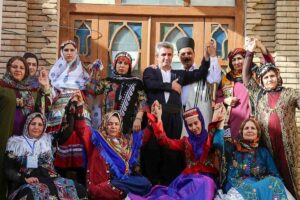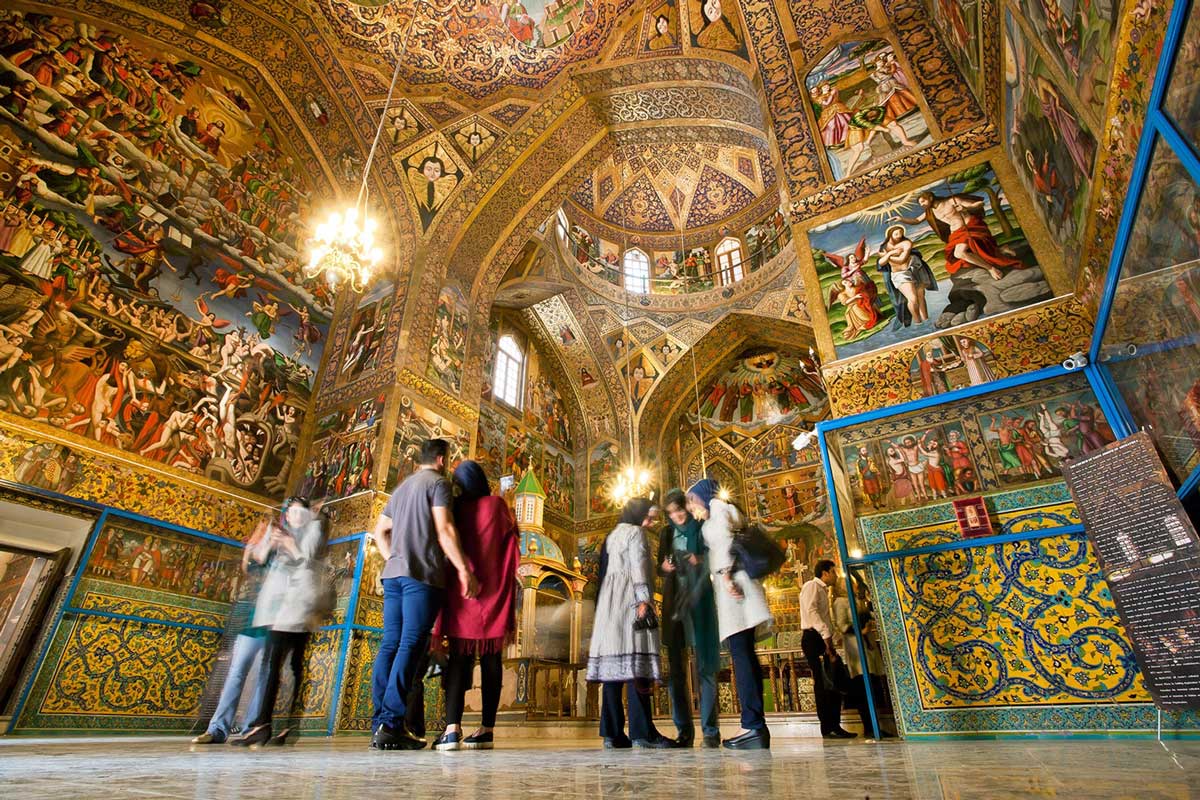
Iran, which is known as the cradle of ancient civilizations, weaves a tapestry of diverse religious heritage through Shia Islam, Zoroastrianism, Christianity and Judaism. Iran’s spiritual diversity, which remains reflected in its national character, has persisted over the years. Among the key factors that promote Iran as a travel destination is religious tourism.
This type of tourism allows millions of people to come over every year to experience faith, history, and culture in a very profound way. The guide presented here will take you to Iran’s top religious sites and cities. We will show the importance of understanding the history of religious sites in Iran.
Top Religious Cities to Visit in Iran
When checking out the most important religious places to visit in Iran, you can easily grasp the country’s religious diversity, where sacred places like shrines, mosques and monasteries are still the major reasons for pilgrims’ and tourists’ visits. Not only are these cities the centers of pilgrimage, but they also give a whole insight into the spiritual nature of the nation.
Firstly, we will mention three of Iran’s top religious sites and cities, namely, Mashhad, Qom and Shiraz, which are to be discussed here, each with a story of its own regarding history and religion.
Mashhad – The Spiritual Capital
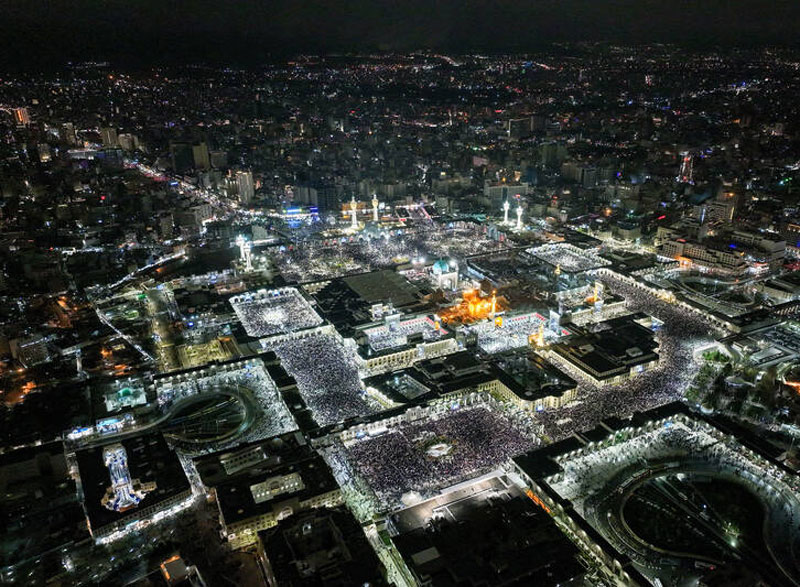
In northeastern Iran, the city of Mashhad derives its spiritual capital status thanks to the Imam Reza Shrine, which is the holiest Shia site in Iran. The city was established in the 9th century around the tomb that held the remains of the 8th Shia Imam, Imam Reza. He was martyred back in 818 CE and became a city instead of a small village under the dynasties such as the Safavids.
They elevated its status, constructing magnificent edifices that attract more than 25 million pilgrims every year. It is a religious representation of undying faith, and rituals such as Arba’een are communal.
Tourism provides economic power to bazaars and museums. People have a strong sense of belonging when visiting festivals where prayers echo through gilded domes. Thus, Mashhad is truly considered among the most essential religious sites in Iran.
Qom – Heart of Shiite Scholarship
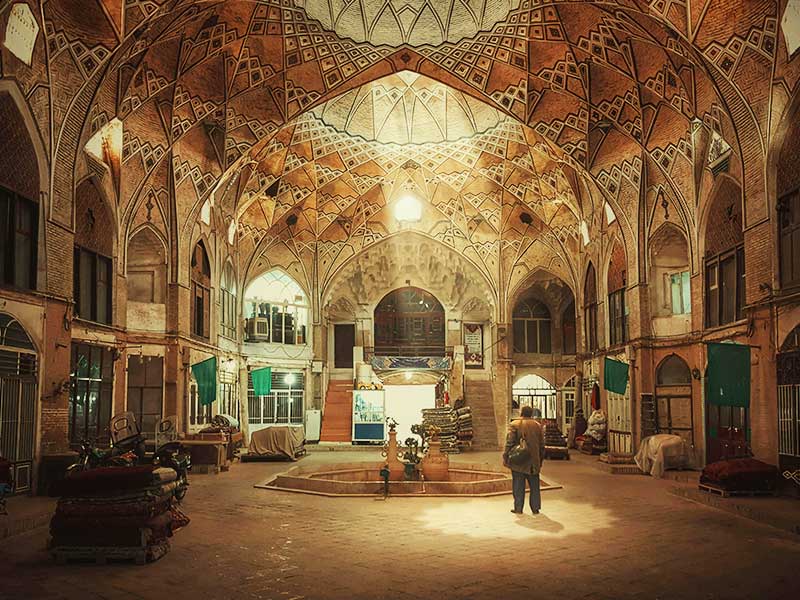
The theological center of central Iran is Qom, which is based on the Fatima Masumeh Shrine, where the sister of Imam Reza was buried since 816 CE. Its academic history can be dated to the 8th century, as a hub of hawzas (seminaries that educate Shia clerics from around the world). It has more than 50,000 students and it is the intellectual Islamic center of Iran.
The pilgrims are also after blessings here, which ranks second after Mashhad. The libraries and mosques of the city share the Islamic thought. Silent contemplation through historical residences gives theological pilgrims retreats, which reflect Qom’s role in maintaining Shia wisdom.
Shiraz – Spiritual & Cultural Blend
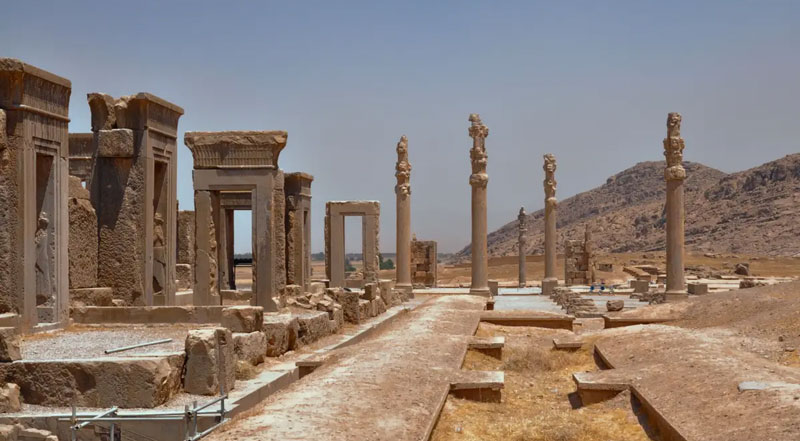
Shiraz, a city located in the southern part of Iran, has long been associated with spirituality, poetry, and culture, thus earning the name “the city of roses and nightingales.” The 14th century, in particular, marked the beginning of its religious significance and during the Zand and Qajar dynasties, it became the center of Sufism and the poetry of Hafez and Saadi.
In addition, the city contains places that are connected to the martyrs of Imam Hussein, beautiful gardens, and crowded markets. Spirituality and the festivities were so mixed during Nowruz that the city became a destination for both pious persons and art lovers to its lavish shrines and fragrant rose gardens.
Important Religious Places to Visit in Iran
The cities not only make up their landscape but also include important religious sites in Iran, which are scattered all over the country, each one displaying architectural talent, historical importance and enduring spiritual power. The diversity of the sites includes Shia shrines, old churches and Sufi tombs, which give the visitors different kinds of experiences.
Imam Reza Shrine – Mashhad
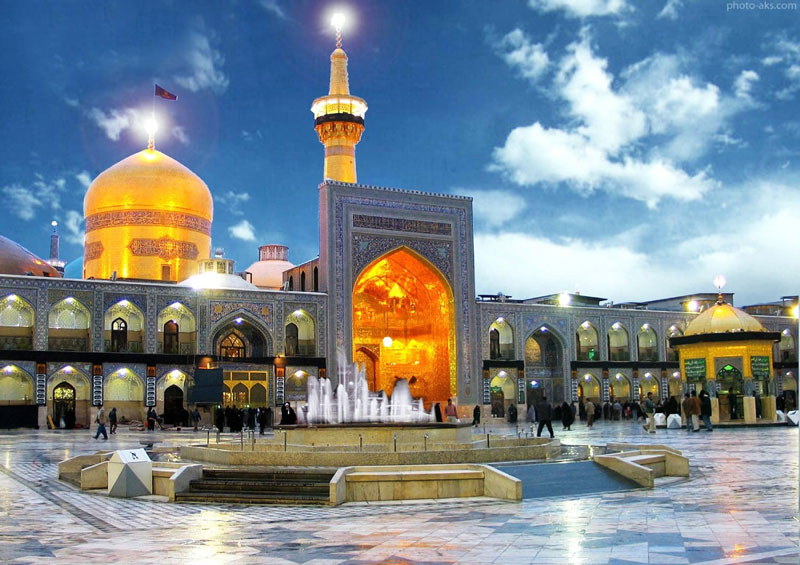
The Imam Reza Shrine in Mashhad is the largest and most significant shrine of the Shiite sect in Iran, covering an area of more than 600,000 square meters. This shrine originally was just a tomb built around 818 CE when Imam Reza was besieged by Caliph Al-Ma’mun. After centuries of expansion, the most famous of the added features is the golden dome constructed by Shah Abbas I during the Safavid period, and the recent renovations of the shrine.
The major reason for the shrine’s popularity is that it is the final resting place of the eighth Imam; hence, it is frequented by 25 million pilgrims every year who come for blessings and healing. It is the most stunning and elaborate, with its impressive tilework, large courtyards, and minarets that reflect a mix of Timurid, Safavid and Qajar styles.
In addition, the complex has museums, libraries and prayer halls that have all been decorated with mirrors and calligraphy. In the heart of Mashhad and very busy during the Arba’een period, it is a center of activity where the atmosphere is filled with the sound of worship.
Fatima Masumeh Shrine – Qom
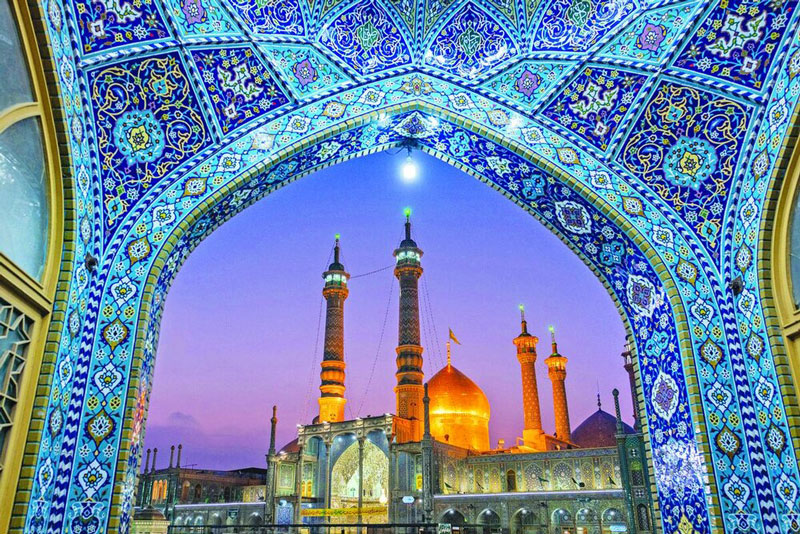
In Qom, the Fatima Masumeh Shrine is one of the most important religious sites in Iran. It is ranked second after Mashhad as the most important place for pilgrims. It was originally built in the 9th century as a burial site for Fatima, the sister of Imam Reza, and later expanded by a number of female patrons, among whom the Safavid queen Shah Begum played a significant role.
The shrine is very important since Fatima is considered a saint and millions of people come to her for prayers and spiritual comfort. The exquisite architecture of the shrine consists of, among other things, three golden domes, minarets and mirror-tiled interiors from the 17th century, which show both Qajar and Safavid influences.
In addition to the shrine, there are mosques, large open spaces and schools for religious studies, which act as a stronghold for Qom’s eminent intellectuality. The shrine is located in the center of Qom and is always filled with pilgrims, people performing rituals like touching the zarih (grille) for blessings.
Shah Cheragh Shrine – Shiraz
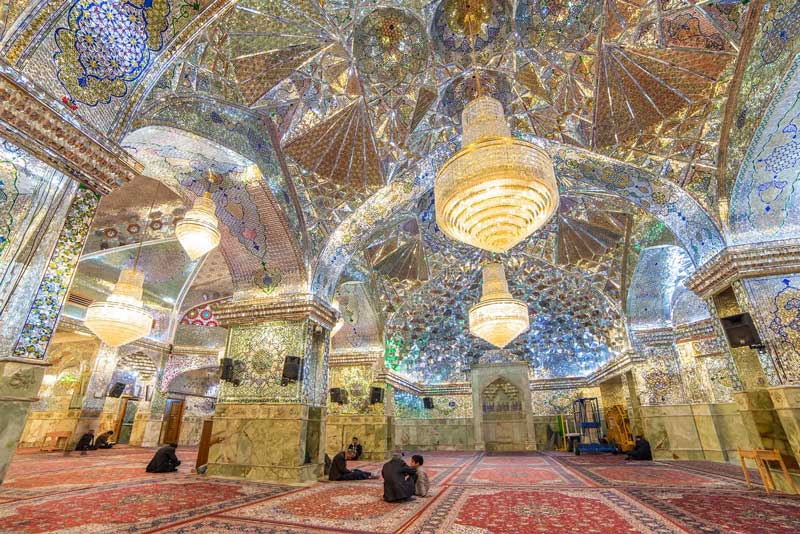
The Shah Cheragh Shrine, meaning “King of Light” in Shiraz, is a masterpiece of architecture and an important religious spot, famous for its brilliant mirrorwork. The shrine is from the 14th century and contains the graves of Ahmad and Muhammad, who were the sons of Imam Musa al-Kadhim.
The Safavid and Qajar periods saw the shrine’s renovation, and it has also endured earthquakes and Nader Shah’s enhancement. The shrine’s significance as one of the most important religious sites in Iran for Shiites comes from the brothers’ martyrdom, which turned it into a place for meditation and prayer.
On an architectural level, the Azari style is characterized by a dome, minarets, and Pahlavi-era mosaics. The monument is located in the old city of Shiraz and is a night-lit attraction that produces a “King of Light” effect and tickles people’s fancy.
St. Thaddeus Monastery (Qara Kelisa)
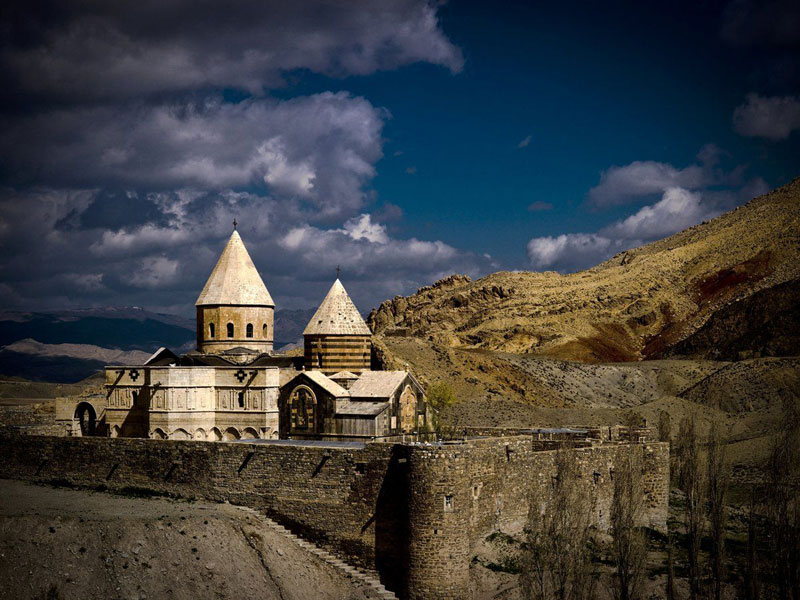
The St. Thaddeus Monastery, also known as Qara Kelisa, is located in northwestern Iran and regarded as one of the most religious sites in Iran. It is among the oldest churches in the world and a UNESCO World Heritage Site. The Apostle Thaddeus established it in 68 CE, and it was rebuilt in 1329 after an earthquake and then expanded in 1811. Its importance for the Armenian Christians lies in the martyrdom of Thaddeus and the Church’s role in the annual pilgrimage.
From an architectural perspective, it is a fortress-like structure made of black and white stone with domes and frescoes that depict scenes from the Bible. The monastery, which is situated close to Chaldoran, symbolizes the Christian heritage of Iran, surrounded by rugged mountains.
Shah Nematollah Vali Shrine – Mahan
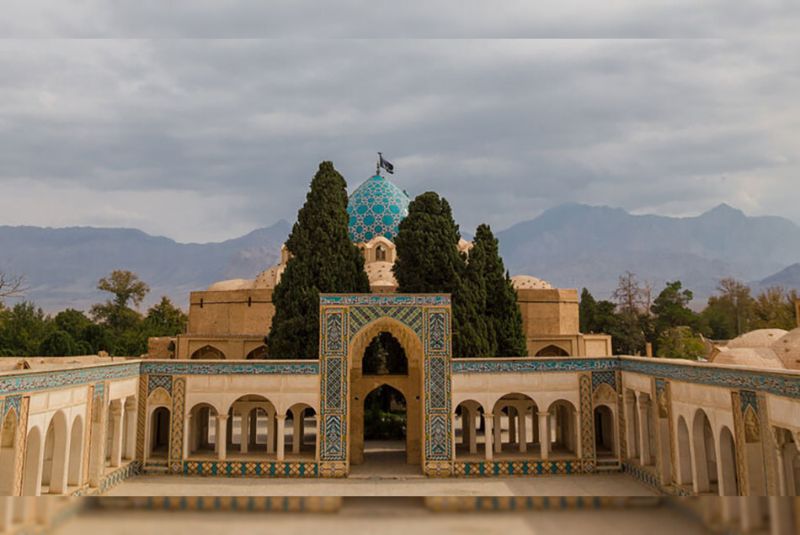
The Shah Nematollah Vali Shrine is located in Mahan, near Kerman. It serves as a memorial to the Sufi master of the 15th century. It was built in 1436 by the Bahmanid sultan Ahmed I and received further development through the Safavid and Qajar empires. Its importance as a Sufi pilgrimage site mirrors Nematollah’s literature and doctrines of oneness.
The shrine is characterized by its turquoise domes, courtyards, tiled surfaces with Timurid influence and the presence of gardens, which contribute to its tranquility. Being in a desert oasis, it is a retreat for those in search of spiritual illumination.
Sheikh Lotfollah Mosque – Isfahan
The Sheikh Lotfollah Mosque in Isfahan is a magnificent Safavid architectural work dating back to 1619. The mosque was erected by Shah Abbas I for private worship of the royal family, and its name honors the great scholar Sheikh Lotfollah. The main point of the mosque is its design, intended for a private audience and the absence of minarets, indicating the focus on spirituality.
The iconic pale cream-colored dome is famous for its change of color, depending on the light and is beautifully decorated with peacock and calligraphy art. It is situated on Naqsh-e Jahan Square and is considered the finest example of Persian art.
Jameh Mosque of Yazd
The Jameh Mosque of Yazd, a splendid architectural work of the 12th century, evidently showcases the earlier styles of Islamic architecture. The construction took more than a century, and it has the highest minarets in the country. The mosque’s function as a public place of worship hints at the Zoroastrian-Islamic blend that was prevalent in Yazd.
The mosque is ornamented with gorgeous tiles, boasts an impressive double dome and presents muqarnas vaulting. It is situated in the historic center of Yazd and is a spiritual location surrounded by windcatchers and qanats.
Iran’s Religious Tourism Experience
Going on a tour to visit religious sites in Iran not only improves spirituality but also focuses on a variety of historical and architectural matters, thereby unveiling the majesty of Persian Islamic art. Tourists get to witness not only the colorful customs but also the very old ceremonies at the main venues, such as the mirrored halls and the ancient stone churches- the latter being a trace of early Christianity’s impact.
The annual influx of more than 20 million pilgrims not only provides a boost to the local economies but also plays a part in intercultural dialogue to a great extent. Participation in group prayers, tasting of traditional dishes and mingling with the local people all contribute to the understanding of the religious variety in Iran, thus creating a more tolerant environment.
Practical Guide – Visiting Religious Sites in Iran
To visit religious sites in Iran, one must take a very careful and resourceful approach in terms of timing, etiquette and the seasons. The recommended periods are spring (March-May) and autumn (September-November) when the weather is mild, and the summer heat and winter cold are avoided. The fasting month (Ramadan) is to be avoided for non-Muslims due to restrictions.
Dress code is quite strict in religious places: women must wear hijab, chador at shrines, and loose clothing covering arms and legs; men should not wear shorts and sleeveless shirts. Behavior includes removing shoes indoors, no photography in sensitive areas and respectful silence.
Tourist information can be obtained from websites of the Iran Tourism Organization or from Irun2Iran to hire local guides, and for maps and tips.
Why Visit Religious Sites in Iran?
Visiting religious sites in Iran provides an exploration that grants different rewards. The spiritual atmosphere that is space for the sacred to be, enlightenment of historical events that are not only of the past but also of the present and the future and getting to appreciate the richness of Persian art and culture are such rewards you can experience.
These places are not just for visiting; they will change one’s life as one goes through them, combining pilgrimage and vacation. They help to comprehend a strong civilization where beauty and faith are two sides of the same coin and invite the world’s tourists to come and see the common human heritage in person.