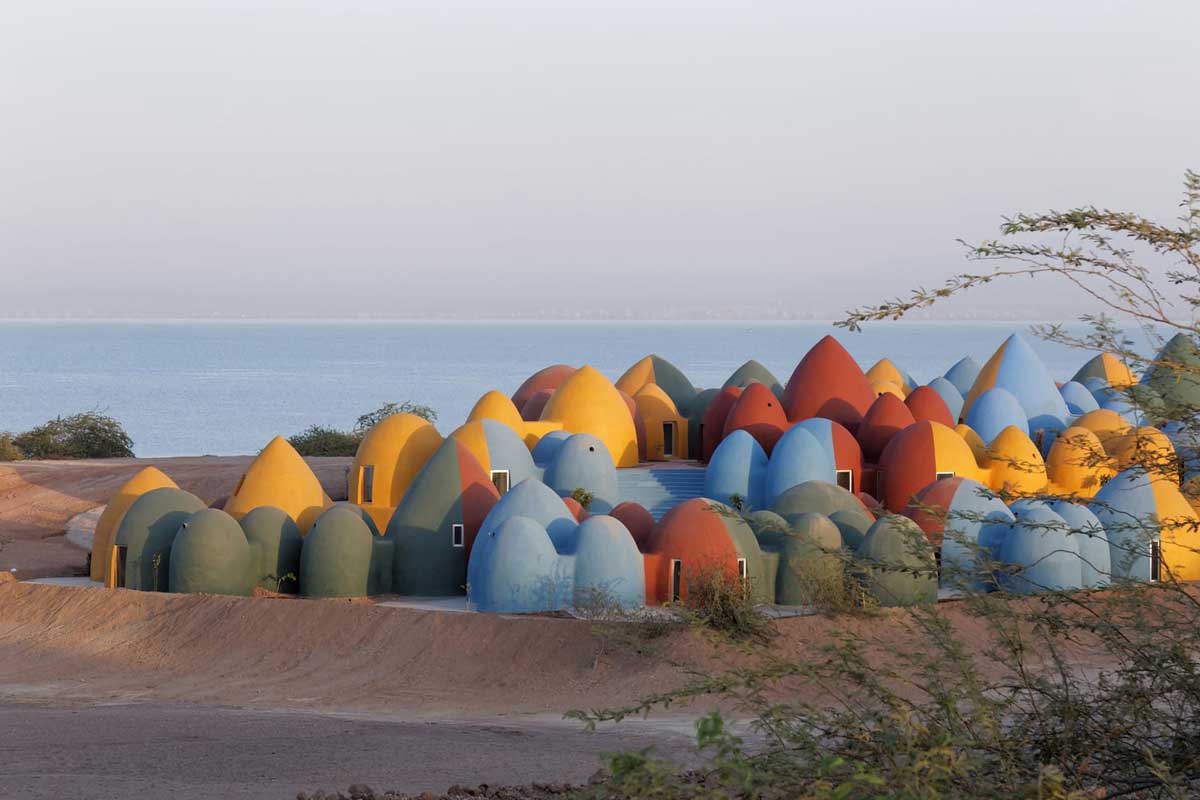
Located in the Persian Gulf, Hormuz Island is nothing less than a geological wonder. The island is sometimes referred to as Iran’s “Rainbow Island” due to its astonishingly different colors of ground, which include red, yellow, ochre, and gold.
This tiny island in the Strait of Hormuz is a mixture of fantastic salt domes, sparkling beaches, and steep cliffs, along with historical and cultural richness.
From the surreal Hormuz Island’s glitter sand to the magical Hormuz Island night under starry skies, the Hormuz Island in Iran offers an otherworldly escape to nature lovers and adventurers.
Hormuz Island History
The Hormuz Island history is a tale of trade and wars that lasted for so many centuries. Ancient Hormuz was originally a mainland port close to Minab, which was very important for exporting spices, silk, and pearls, connecting Asia, Africa, and Europe. The Mongol invasions in the 14th century led to the migration of the town to the island, where New Hormuz grew up and became famous as a wealthy trade center.
The Portuguese captured it in 1507 and built the famous Portuguese castle in Hormuz Island to control the Gulf trade routes. They stayed in power until 1622, when Shah Abbas I, with the help of the English, managed to get it back.
After that, the trade moved to Bandar Abbas, which caused Hormuz’s importance to decline. It is the historical layers that make the island’s natural beauty even more attractive today.
Why Is Hormuz Island Red?
Why is Hormuz Island red? This is a question that has been asked many times, but the answer is quite simple and scientific. The very noticeable red color is the result of the soil having a lot of iron oxide in it, particularly hematite, which is the main mineral found in the area. This mineral-rich soil, which is known as “Gelak” in the local language, is edible and used as a spice in the local cuisine.
The scientific explanation is that volcanic activity and erosion have been going on for more than a million years, and the oxides have been concentrated to a point where very bright red beaches have been formed; after rains, the waves may look like blood.
One such place that attracts a lot of people is Hormuz Island’s red beach, which is also referred to as Red Beach or Playa Roja. The mixing of the ochre soil and the seawater creates a very strange and beautiful sight because of the blue waters. It is recommended that the visitors only enjoy the sight of the soil and not harvest it, as the soil is protected for the purpose of preventing environmental degradation.
Top Attractions in Hormuz Island
Hormuz Island is a treasure house of nature and history, which are compact in size and can be explored in a few days by bicycle, tuk-tuk, or a guided Hormuz Island tour. Here are the main attractions:
Rainbow Valley (Hormuz Island Rainbow Valley)
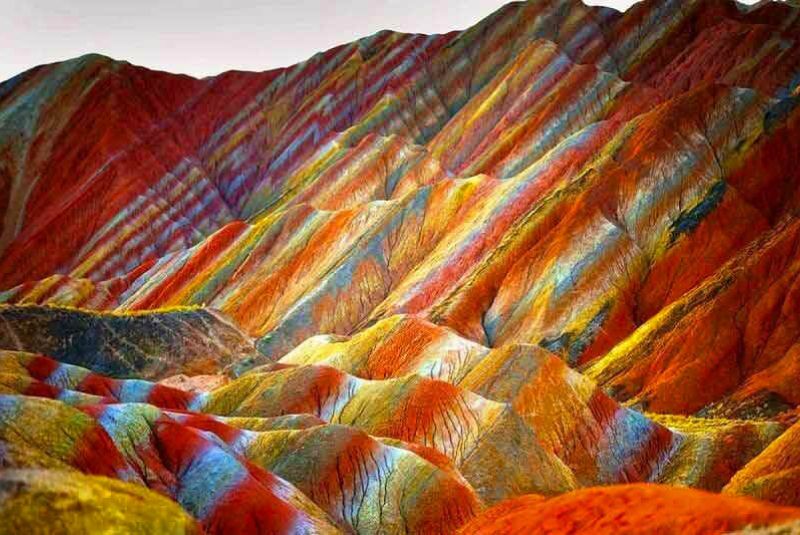
The stunningly beautiful and colorful Hormuz Island Rainbow Valley proves to be true to its name, with more than 70 vibrant colors adorning the mountains and canyons. The reds are the result of iron oxides, the greens and blues are from copper, yellows are from sulfur, and other minerals contribute to the orange, purple, and white colors.
The natural erosion of wind and water has done a great job by creating very dramatic features, turning the area into an art gallery of nature. Besides, there are hiking trails that allow you to experience the area closely, and the changing lights all through the day unveil new shades, making it perfect for photographers.
Red Beach (Glitter & Red Sand)
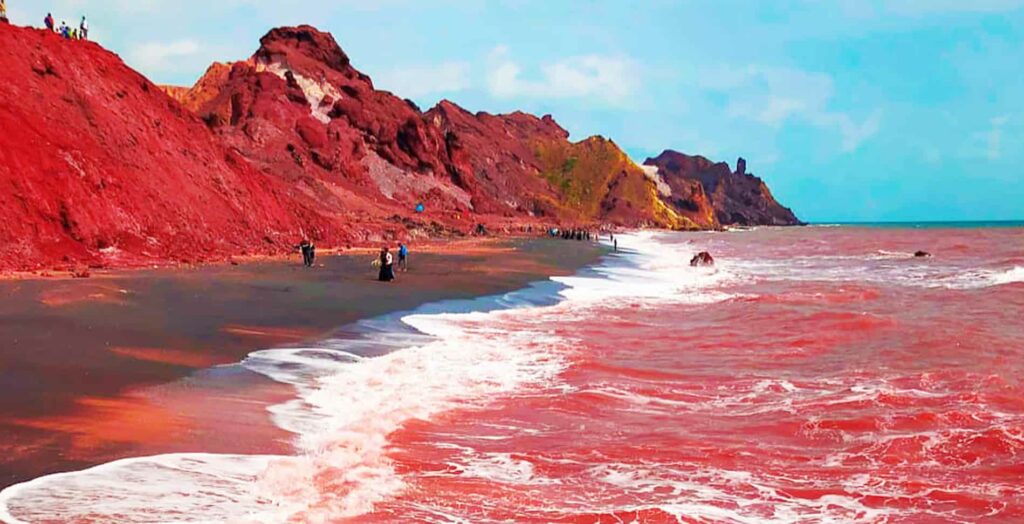
The vibrancy of the valley is complemented by Hormuz Island’s red beach, which is a miracle of nature, offering an iron-rich, crimson sandy beach. The sections of the shimmering sand beach on Hormuz Island, where the particles of mica and quartz exude a sparkling effect.
also read: Qeshm Island Travel Guide
Portuguese Castle in Hormuz Island
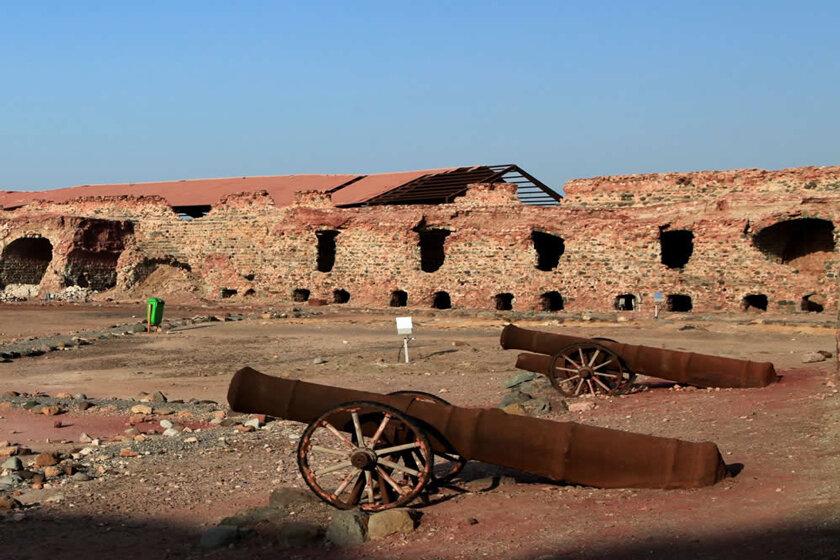
The Portuguese castle in Hormuz Island, which is also called Fort of Our Lady of the Conception, is a big fortification and takes the northern part of the island’s shoreline. The work on the castle began in 1507, and the fortress has walls made of thick red stones, bastions, and cannons, all speaking of its defensive purpose.
Visitors are allowed to visit underground water reservoirs and a part of a chapel, and read inscriptions. The high location also allows for extensive views of the gulf— sunrise for soft light or sunset for dramatic silhouettes and cooler air are the best times for enjoying these views.
Valley of Statues
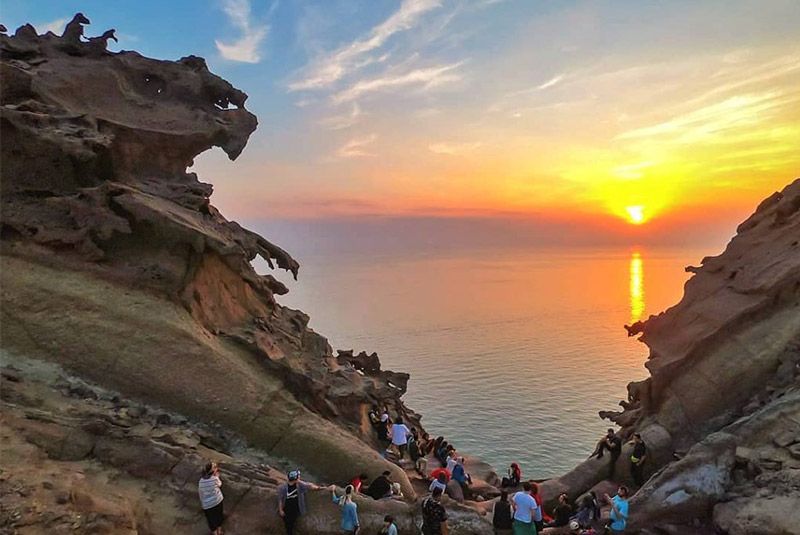
The Valley of Statues is full of rock formations caused by erosion that changed the rocks into strange and lifelike forms—animals like lions and eagles, mythical creatures, or even human profiles.
The valley is an open-air gallery that not only encourages visitors to spend their time walking but also to use their imagination, as no viewpoint is the same and the shapes change with the perspectives.
also read: Kish Island Travel Guide
Salt Goddess Cave
The Salt Goddess Cave in Namakdan Dome is one of the longest salt caves in the world and is characterized by the presence of remarkable and varied salt crystals, flowing formations, and stalactites. The name of the cave comes from the large salt flow that is in the shape of a seated goddess.
The pure white and multicolored layers of the interior, which are lit up by torches, give an impression of a quiet and almost mystical place. It is advisable to go on guided tours for your own safety.
Silver Coast
The Silver Coast justifies its name as it consists of the beaches of mica-rich sand that shine like silver in the sunlight. The effect becomes even more intense under the moonlight during the Hormuz Island night, which makes the shore a reflective mirror of stars.
Photographers love long exposures in this place, and if you are lucky, you may catch a glimpse of bioluminescent plankton lighting up the waves.
also read: Hengam Island
Hormuz Island People & Culture
The very strong-willed Hormuz Island people have come together to create a beautiful community composed of different cultures and civilizations like the Persians, Arabs, Bandari, and Africans. The Hormuz Island population is around 7,000 people. The majority live in the central village, which is very colorful because of the different painted houses and has cool wind towers. The life of the islanders revolves around fish, tourism, and boat-making, coupled with daily fishing.
Women who are dressed traditionally are easily recognized: they wear colorful and heavily embroidered pants, have on their heads colorful and patterned scarves, and their facial masks (boregheh) are very noticeable for both protection and custom. The African rhythms can be heard in the music and dance due to the historical links from the trade.
The islanders do handicrafts for the purpose of making money, e.g., embroidering textiles, making shell jewelry, painting pottery with local soils and making woven baskets. The island people eat largely fresh fish, shrimp, spicy stews, and “Tanuri” bread with soil-based sauces, among others. The mentioned customs prove the people’s creativity, yet they are increasingly incorporating sustainability in their practices.
Hormuz Island Weather
The Hormuz Island weather is hot and dry, as is common on the Persian Gulf coast. In summer, very high temperatures and humidity (over 40 degrees Celsius most of the time) are characteristic of the season and outdoor activities are better eschewed.
The winter months give the best weather for tourism with pleasant temperatures and almost no humidity, so the island can be explored all day long.
Where is Hormuz Island Located?
You may wonder, “Where is Hormuz Island located?” Well, it is in the Strait of Hormuz, Hormozgan Province, southern Iran. Regarding Hormuz Island location, it is located around 8 km from the nearest coast, which can be reached by ferries that leave frequently from Shahid Haqqani pier, Bandar Abbas.
Hormuz Island Tour
A guided Hormuz Island tour will surely provide you with a smooth and beneficial experience if you decide to go this route.
To ensure a smooth and hassle-free journey to Hormuz Island, you can book a reliable Iran Airport Transfer service in advance and start your trip in comfort from the moment you arrive.
The Best Choice for a Comfortable Trip
A skilled tour operator guarantees a trip with maximum comfort, safety, and insight into the local culture. Some of the benefits are nice and easy logistics, local expert knowledge, and even connecting with the Hormuz Island people. Our Iran Cultural Tour in 8 Days and Iran Cultural Tour in 12 Days are fantastic choices for foreign visitors as they very nicely combine a trip to Hormuz Island with other Iranian attractions like Shiraz, Persepolis, Isfahan and Qeshm.
The tours offer English-speaking guides, comfortable transport, genuine cultural activities, and visits during the season for the most favorable, nice and cool weather. Regardless of whether you are a solo adventurer or part of a group, a guided tour will let you take in the marvels without having to bother about the minor details.
Conclusion
Hormuz Island is one of nature’s greatest masterpieces that also tells the story of the past. The island is full of colors, starting from the vibrant Hormuz Island Rainbow valley and the famous Hormuz Island Red Beach to the old Portuguese castle in Hormuz Island and the luminous coast under the Hormuz Island night sky.