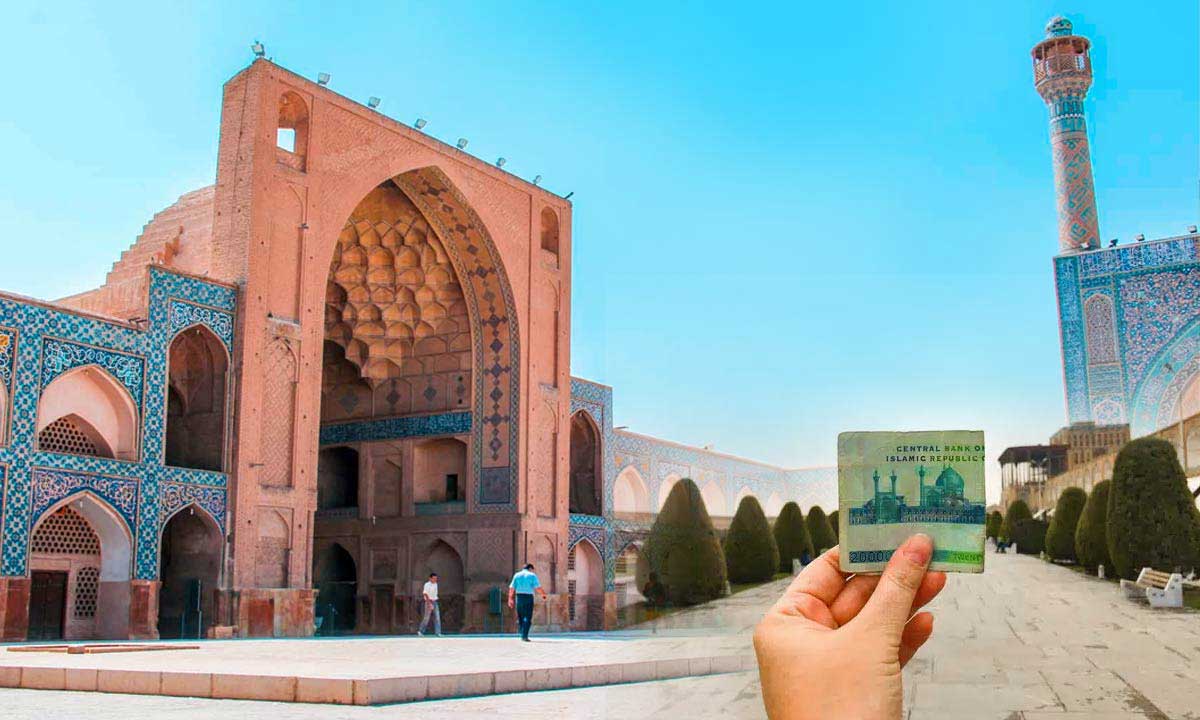
Iran is a captivating place to visit that offers a diverse range of attractions, including ancient history, architecture and culture, besides various landscapes. It is ideal for travelers with limited funds when they are guided to cheaper cities that offer real experiences, inexpensive lodgings and attractions that cost next to nothing. The following guide will give you a rundown of the cheapest cities to visit in Iran, along with useful advice for a budget trip.
Why Travel to Iran on a Budget?
Deciding to go on cheap holidays to Iran is among the best things that a traveler can ever do in the current world where tourism prices are on the increase. The uniqueness of Iran is its incredible prices without depth and quality of experiences. The best example is food: hearty, tasting meals including grilled meats, rice, fresh herbs, and yogurt-based dishes can be bought at street stalls and local restaurants for only a couple of dollars. A lunch that includes bread, kebab, salad and doogh (yogurt soda) hardly costs more than $5 and you will be able to eat like a local daily.
Transportation is also an added advantage to low-cost travel in this case. The well-developed bus network in the country also links with VIP buses that are very much comfortable to the long distances at prices that are in many cases lower than 10 dollars to cover long distances of hundred and even thousands of kilometers. The trains offer scenic, overnights that are doubling up as savings in accommodation. In urban areas, metros, buses and shared taxis ensure that the daily movement expenses are not large.
Accommodations cater beautifully to budget needs, with clean hostels, family-run guesthouses and traditional boutique hotels cost between $10-25 per night. Most of them come with breakfast, Wi-Fi and local guidance.
Diversity in Iran guarantees that there is something that fits any interest on a tight budget be it ancient ruins, mountain walks, desert tours or city tours. Choosing cheap holidays to Iran means more money to purchase special souvenirs, additional tours or even just prolong your holiday to experience the famous Persian hospitality.
Tehran – Capital on a Budget
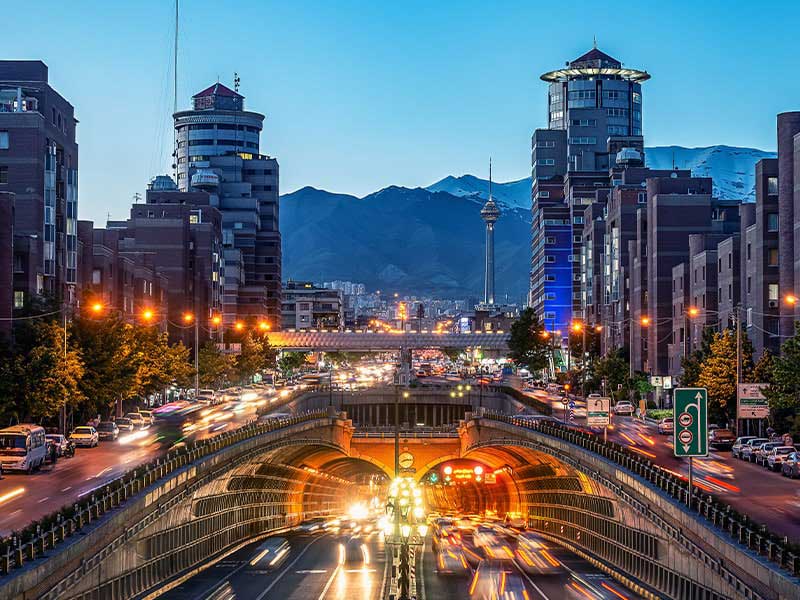
Tehran, Iran’s vibrant capital, still manages to astonish many with its inexpensive aspect even if it is the largest city. More than 8 million people live here and the city is located against the Alborz Mountains, so it is the perfect place to mix modern life with historical depth. Besides, Iran’s second-largest city, Tehran, is also the most economical city to visit; it has a wide range of free attractions and offers low-cost services that work efficiently.
The first stop will be the Grand Bazaar, a huge and winding market with covered alleys where everything from saffron to handmade copperware is sold. No ticket is needed, and getting lost, watching the locals and tourists going by, or trying different kinds of tea is the highlight of the visit. Then comes Golestan Palace, a UNESCO site, which nearby has a small entrance fee for its luxurious halls and gardens.
The likes of Tabiat Bridge, Mellat Park, or Laleh Park are some of the parks providing free green spaces for unwinding or picnicking. The Azadi Tower, an emblematic monument, allows visitors to access its observation deck for a modest fee to enjoy the view of the city. The National Museum and Carpet Museum are the places where you can see the main exhibits on Persian history for just a little entrance fee.
read more: tehran travel guide
Practical tips: Benefit from the Tehran’s superb metro system—one of the cleanest and cheapest in the world—with fares below $0.50 per ride. There are local restaurants that offer ash (thick soup) or traditional stews in the southern districts, which are very cheap. Budget accommodations are mainly in the central areas like Enghelab Street, where hostels and mid-range hotels offer beds starting from $12 per night. If you go for self-guided city walking tours in areas like Darband you will come across mountain trails and food stalls without spending more money.
read more: iran religious places
Isfahan – The Half of the World Within Reach
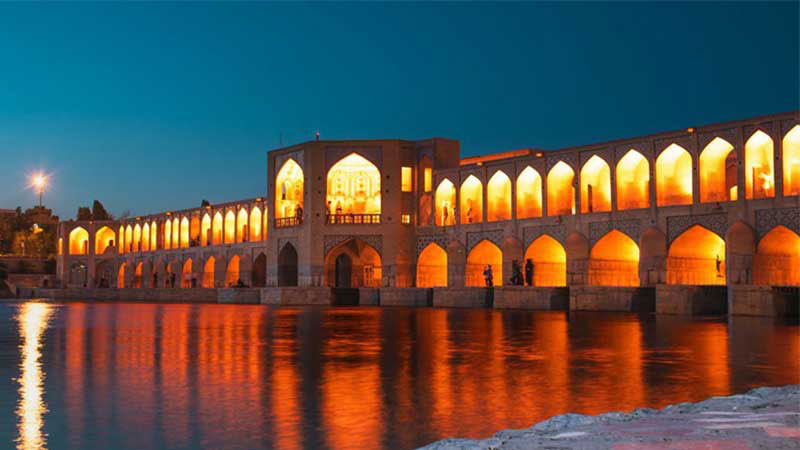
Isfahan, which is often referred to as “half of the world” due to its beauty, is still very much within the reach of budget travelers. This central Iranian jewel reached its peak during the Safavid period and left a legacy of stunning architecture that could compete with any destination on a global scale. Being one of the cheapest cities to visit in Iran, Isfahan’s small size, along with the many public parks, still make up for its low expenses.
Naqsh-e Jahan Square, one of the largest in the world and a UNESCO site, is free to enter and perfect for hours of admiration. To the east, the Imam Mosque glistens with turquoise tiles, while Sheikh Lotfollah Mosque offers a more personal charm—entry to the interiors of both is subject to a modest fee. The historic bridges—Si-o-seh Pol and Khaju—cross the Zayandeh River (when it is flowing) and are night-time spots for the locals, who enjoy singing traditional songs—all activities at no price.
The most enjoyable and enlightening way to explore the place is, of course, walking. The historic center can be covered easily on foot, thus saving money on transportation. Local restaurants around the square offer biryani (minced meat dish) or fesenjan stew at a very low price. Spend the night in a refurbished traditional house close to Jolfa (Armenian quarter) for $15–20 per night, often with charming courtyard. Attend free public events or just look at artisans in the bazaar for a real cultural experience without any costs.
read more: isfahan travel guide
Shiraz – City of Gardens and Poetry
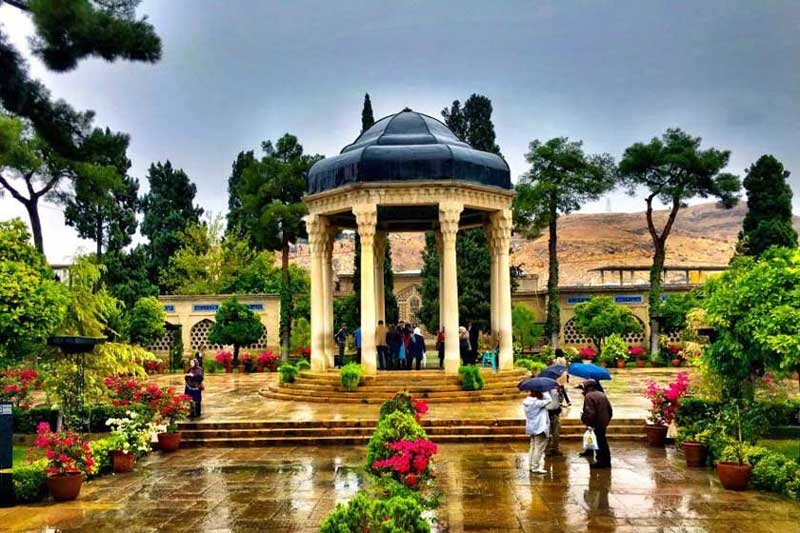
Shiraz embodies Iran’s poetic soul and is the city of legends Hafez and Saadi, the city of rose gardens and nightingales. Its location in the south, relaxing atmosphere and cultural diversity are factors rendering it to be one of the cheapest cities to visit in Iran, especially for those seeking inspiration instead of luxury.
Eram Garden, a classical Persian paradise with cypress trees and reflecting pools, is a small entry fee but is a source of peace that is perfect for poetry reading. Hafeziyeh, the tomb of Hafez set in fragrant gardens, lures people for the free evening recitals after hours. Nasir al-Molk Mosque, known as the Pink Mosque, creates a light show of hues in morning through stained glass, with affordable tickets.
Markets such as Vakil Bazaar provide the cheapest and the most delicious street food—freshly squeezed pomegranate juice, halva or falafel sandwiches. Walking paths connect the major attractions, and shared taxis drive the longer distances at a low cost. Budget guesthouses close to Zand Boulevard offer comfy sleeping places for under $15, many with rooftop views.
Day trips to Persepolis, the ancient Achaemenid capital, can be made by taking the local buses that are very affordable, thus adding an epic history without incurring the cost of high-priced tickets.
read more: shiraz travel guide
Yazd – Desert Architecture on a Budget
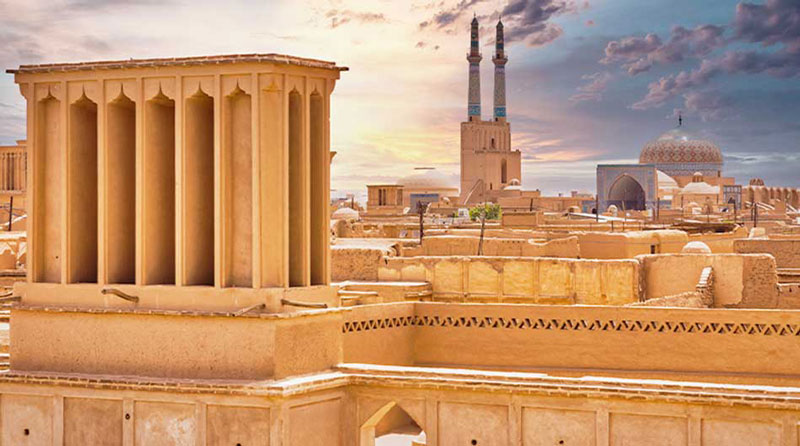
Yazd, an old desert city on the Silk Road, exhibits brilliant windcatcher architecture that effectively keeps buildings cool during heat waves naturally. The city’s UNESCO-listed old part with its mud-brick lanes appears to be from another time, and being one of the cheapest cities to visit in Iran, it offers deep experiences with little money spent.
The Dowlatabad Garden has the world’s highest windcatcher, and stunning pavilions and ponds make it possible to try the sun-bathing experience for a small fee—this is an ideal place to escape the midday sun. Amir Chakhmaq Complex attracts attention with its symmetrical façade and evening illuminations, which can be looked at for free from the square. The traditional bazaar has sweet desserts like qottab pastries at very low prices.
Stay at restored traditional houses that have been converted into eco-lodges or hostels where you can sleep for $10-18 a night and sometimes have rooftop sleeping options under stars as well. Walk through the maze-like alleys to find Zoroastrian fire temples, water museums, and concealed courtyards for free. There are local minibuses that connect the outskirts of the city; eat at modest eateries serving camel meat stews or ash-e yazdi for just a few cents, thus living desert life on a budget.
read more: top 10 tourist attractions in iran
Kerman – Historical City with Affordable Experiences
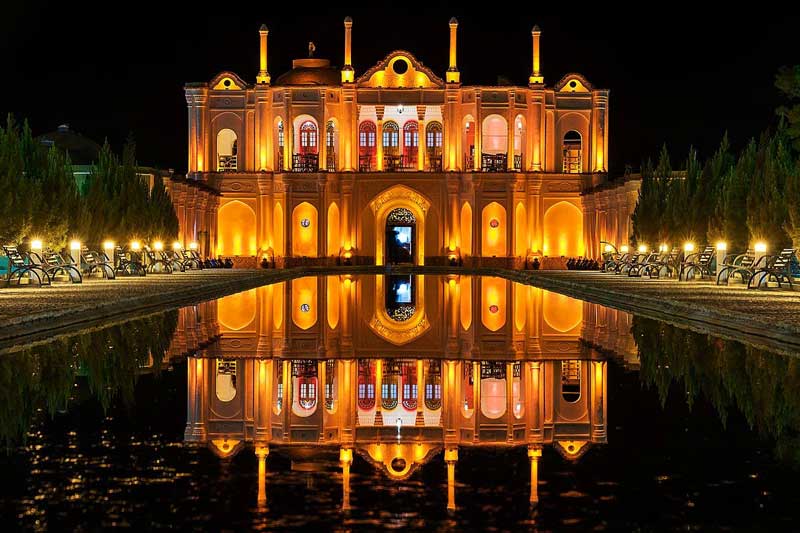
Kerman, located in the southeastern part of Iran, acts as an entrance to the huge Lut Desert and has a long history with various dynasties, besides that it also has pistachio plantations, caravanserais and so on. It is less frequented than the northern cities but at the same time it is one of the cheapest cities to visit in Iran, thus providing an opportunity for visitors to have a great time and at the same time the experience will be very local and genuine.
The Ganjali Khan Complex, a brilliant piece of Safavid architecture, comprises a marketplace, a hamam (which is now a museum), and a caravanserai that has a combined low admission price. Shazdeh Mahan Garden, a lush green oasis in the midst of dry hills, has very low-cost places for picnics. The Citadel of Bam, which is near-by, though it has been partly ruined by an earthquake, still gives an idea of its grandeur through cheap guided tours.
In the historic district, classic guesthouses charge $12–20, providing a local breakfast and roofs in the shape of domes. Buses are the perfect means of transport to major tourist sites; teahouses offer very cheap saffron tea and kolompeh cakes. Carpet workshops of the bazaar invite to watching and even buying the carpets at reasonable prices which in turn make the visit culturally rich and friendly to the budget.
read more: top 10 cities in iran
Practical Tips for Budget Travelers in Iran
To enjoy cheap holidays to Iran, all it takes is straightforward but effective tactics that satisfy tremendous saving in the long run. Always consider the public transportation: Premium VIP intercity buses of reputable companies have reclining seats, snacks and entertainment at long distances less than $15 even across provinces. Scenic trains save all the costs of accommodation at night as the sleeper costs are low. In large cities, massive metros (in Tehran, Isfahan, Shiraz, Mashhad) and high-speed BRT buses demand an inconsequential fee of – sometimes cents -.
Find genuine low-end restaurants by following locals to hole-in-the-wall spots to get a taste of dizi (slow-cooked lamb stew that is dramatically mashed at the table with bread) or golden tahchin (saffron-crusted rice cake with chicken). Vendors in the street can be depended on to sell fresh fruit of the season, beets roasted, corn boiled, or fresh sweet juices refreshingly inexpensive throughout the year.
Accommodation options have a very great effect on the budgets, one may choose to stay in a traditional mosaferkhaneh (basic inns), youth hostels or have a beautiful restored guesthouse instead of international hotel chains. Direct bookings through local Iranian applications, telephone calls, or a simple walk-in often results in much better deals compared to those offered on the Internet. In the majority of budgets, they have traditional Persian breakfast slats of flatbread, feta cheese, walnuts, herbs and hot tea.
Other effective saving tips to save budget while considering the cheapest cities to visit in Iran:
- Haggle amicably yet insistently in bazaars (negotiate always half the price outright and halfway in between)
- Preload offline maps and translation software to avoid the roaming charges
- Carry only lightweight baggage to skip on any baggage charges on a bus
- Invariably carry enough cash converted into Iranian rials because international credit cards are mostly useless because of sanctions.
- Skiing in favorable shoulder seasons will lessen crowding in popular destinations and can usually decrease dynamic pricing.
How to Explore Iran on a Budget
Effective planning leads to a budget-friendly travel for those looking for cheapest cities to visit in Iran. Logically map the routes: Treat yourself to a flight to Tehran, then take a bus/train to the south visiting Kashan, Isfahan, Yazd, Kerman and Shiraz then either go back or exit through land borders. The overnight trips will be a saving on the hotel nights.
Travel independently while benefiting from a few days of expert guidance to reach hard-to-visit sites. For a more all-inclusive and cost-effective experience, you can choose structured packages such as Iran Budget Tour in 12 Days, Iran Budget Tour 9 Days, or Iran Budget Tour 7 Days, which are offered by Irun2Iran and typically include transportation, accommodation, and entrance fees at group rates that are often more affordable than traveling solo.
Take along multi-purpose clothes for different climate zones, learn some basic Farsi phrases to get a better deal, and embrace slow travel meaning to stay longer at fewer places which would at the same time reduce your transport spending and deepen the connections.
FAQ – Budget Travel in Iran
What is the most economical period for a trip to Iran?
The spring season that lasts from March to May and Autumn from September to November both have nice weather, and the prices for accommodation are low compared to the summer or Nowruz holiday which are peak times.
How can you save money when visiting Iranian cities?
If you go on foot to the historic centers, take the metro/BRT systems where they are available, and use shared taxis or apps like Snapp for very short rides, then your daily costs can easily be under $3–5.
Is it possible for tourists to use the public transport system in Iran?
Yes, it is safe, runs on time and information is given in English. In the case of women, they are allocated sections on metros/buses for their comfort, and the staff will assist you even if there is a language barrier.
Are the budget tours in Iran necessary for a traveler to experience?
They are worth it, particularly for the ones who are visiting for the first time. They will take care of the logistics, visas, and language issues while still keeping the cost low by using group efficiencies and will often include the hidden gems that solo travelers might miss.