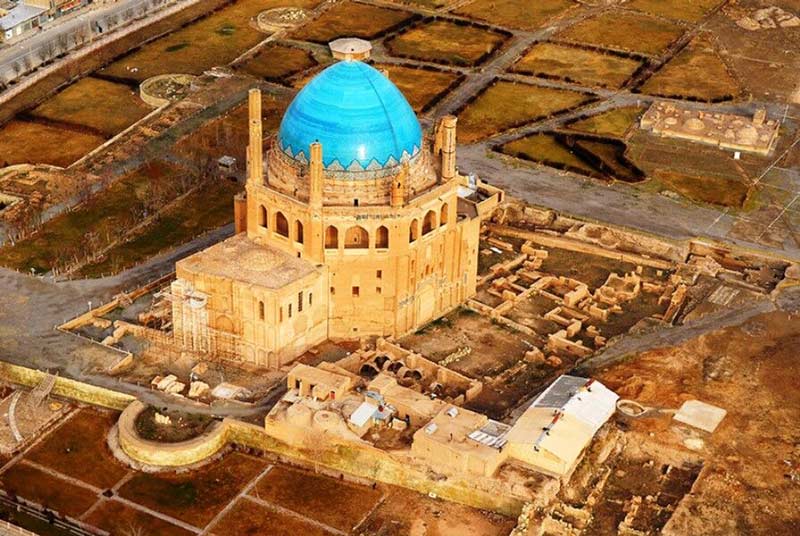
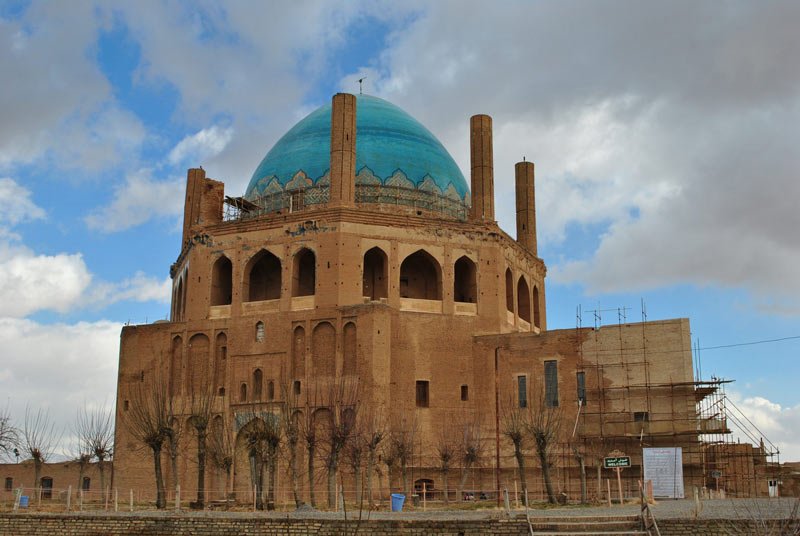
The Soltaniyeh Dome, also known as the Dome of Soltaniyeh, is one of Iran’s most important Islamic architectural works, located in the northwestern part of the country. The mausoleum was built for Ilkhanid ruler Oljaytu in the early 14th century. It is one of the largest brick domes, which displays its tall, turquoise-tiled structure through its advanced engineering and artistic achievements.
Recognized by UNESCO as a World Heritage Site since 2005, the monument greatly shows the exceptional cultural exchange that occurred during the Ilkhanid period and serves as a major Persian architectural achievement.
The building’s double-shelled construction has protected its interior tilework and geometric designs from earthquakes, which have occurred throughout its existence. The Soltaniyeh Dome, Iran, provides visitors with an opportunity to experience the artistic and engineering achievements of the Iranian-Islamic art golden age.
To visit Soltaniyeh Dome, don’t hesitate to look into our Iran World Heritage Tour.
History of Dome of Soltaniyeh
The construction of the Dome of Soltaniyeh began in 1302 and finished in 1312 under the direction of Sultan Mohammad Khodabandeh, who became known as Oljaytu during his reign as the eighth monarch of the Ilkhanid dynasty that ruled Persia from the mid-13th to mid-14th century. The building, which served as Oljaytu’s final resting place, shows his transformation from Sunni Islam to Shiite Islam through its design elements.
The Ilkhanate Sultanate played a crucial role in its creation; Oljaytu founded Soltaniyeh as the new capital in 1306, which transformed the area from a hunting ground into a thriving city. The Ilkhanid capital operated for approximately 10 to 12 years until Oljaytu passed away in 1316, which led to the empire changing its center of power.
The Soltaniyeh dome serves as the most important architectural element in Iranian and Islamic architectural design, which shows how the Ilkhanid dynasty transformed from their past as nomadic warriors into their new role as artistic supporters of Persianate cultural traditions.
This structure has endured through various invasions and more than 33 recorded earthquakes due to its shallow foundation, and has only sunk eight centimeters during 700 years while supporting a weight of 1,600 tons. The structure unites Mongol and Islamic cultural elements, which became important in the architectural development of Persian buildings that occurred during a time of major transformation.
Some jaw-dropping features of Soltaniyeh Dome
There are also some fascinating secrets and mysteries surrounding this ancient architectural masterpiece that adds to the allure and mystique of the Soltaniyeh Dome, making it a fascinating destination for enthusiasts:
- Inspiration for the Gothic style: In fact, Filippo Brunelleschi, the famous Italian architect and engineer of the 15th century, and Lorenzo Ghiberti, an Italian sculptor, architect, and writer, were inspired by the design of the Soltaniyeh Dome when they were creating and building the dome of the Santa Maria del Fiore church in Italy.
- Inspiration for the Taj Mahal: Arthur Pope believes that the design of the Taj Mahal in India was influenced by the Soltaniyeh Dome and that it served as a model for its construction.
- Strange foundation: Interestingly, the foundation is only about half a meter deep, but the building is very strong. Despite weighing about 1,600 tons, it has only sunk eight centimeters in 700 years. The dome has also withstood 33 earthquakes, the strongest being a 6.0 magnitude earthquake.
- Double-shell structure: Demonstrating the intelligence of the architect, the double-shell structure creates a hollow space making the dome resistant to earthquakes.
- Diverse entrance gates: There were four gates of different sizes for entering the Soltaniyeh Dome. The larger entrances (eastern and northwestern entrances) were used by men, while the smaller entrances were used by women. The smaller entrances led to small halls on the first floor.
- Hidden chambers: Based on the historical facts it was possible that the dome contains hidden chambers or passageways used for various purposes like storing treasures or a secret escape for the ruling elite.
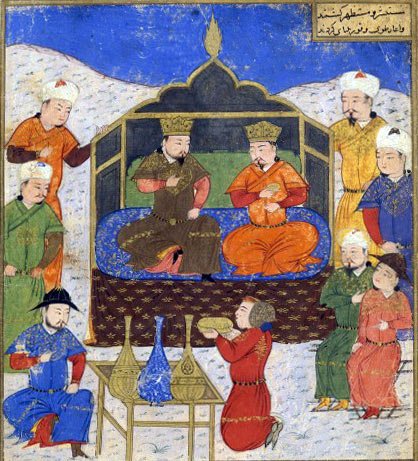
Who built the Soltaniyeh Dome?
The Soltaniyeh Dome was built in the early 14th century by the Ilkhanid ruler, Oljeitu, as a mausoleum for his father, Ilkhan Oljeitu, who was a powerful Mongol ruler. The dome was completed in 1312 CE and is located in the city of Soltaniyeh, which was the capital of the Ilkhanid Empire at the time. To explore architectural wonders like the Soltaniyeh Dome and other UNESCO heritage sites, check out our Iran Cultural Tour in 8 Days for a complete cultural journey through Iran.
Architecture & Design of the Soltaniyeh Dome
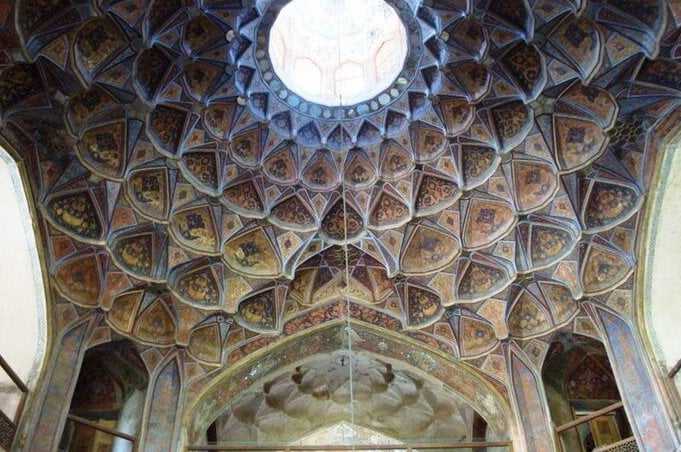
The Soltaniyeh Dome demonstrates the Ilkhanid-Azeri architectural style, which combines Persian, Anatolian and Mongol architectural elements through its massive size and detailed ornamental work. The octagonal brick building features the earliest known double-shelled dome in Iran: an inner structural shell and an outer decorative shell, which create a space that separates the two components. The innovative method established through this research delivers building materials that possess superior strength and protect against earthquakes while enabling architects to construct taller structures with wider distances between supports.
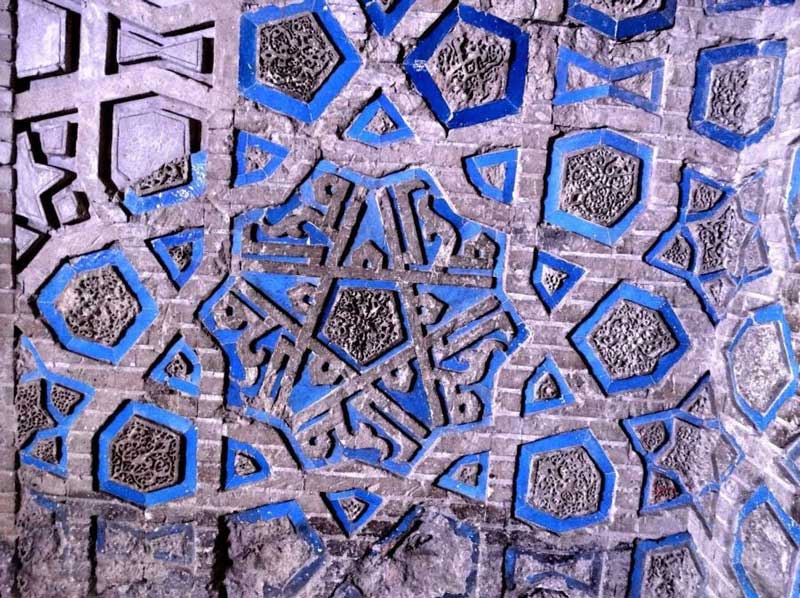
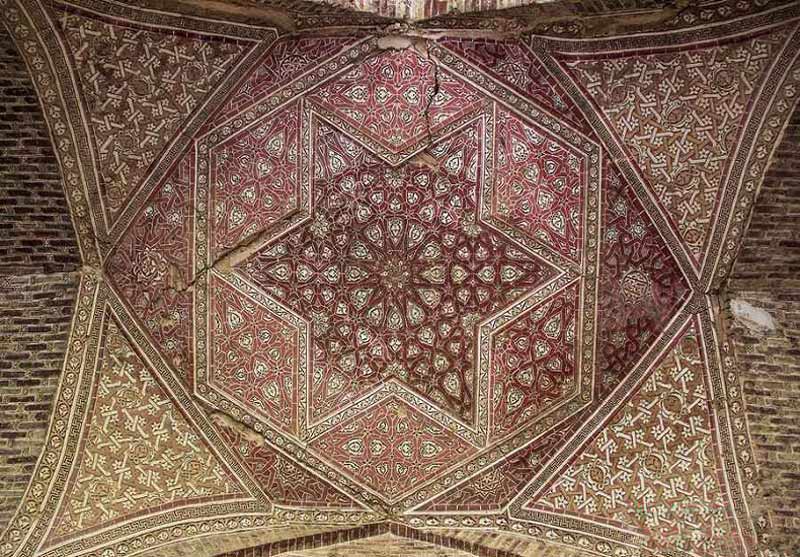
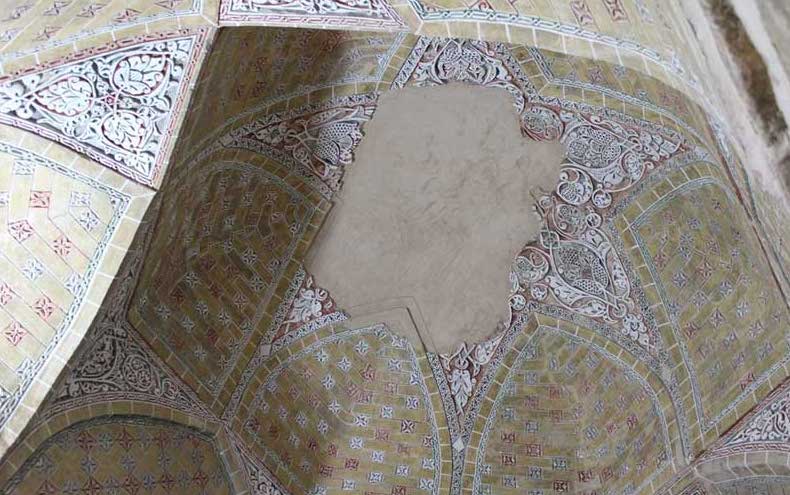
The Soltaniyeh dome reaches a height of 50 meters, which has an internal diameter measuring 25 meters and an external diameter of 38 meters. The structure contains eight slim minarets that surround its base to create an elevated view of the building. The exterior of the building displays a combination of turquoise-blue faience tiles and calligraphic designs, as well as geometric patterns. Inside the space, detailed plasterwork, bright mosaic tiles, wall paintings and complex designs create a visually outstanding display of multiple colors.
The building has three levels with four gates of different sizes—larger eastern and northwestern entrances for men and smaller ones possibly for women leading to upper galleries. The architectural work has become a fundamental element for later designs, including both the Taj Mahal proportions and dome structure, and Filippo Brunelleschi’s dome design for Florence Cathedral.
-Create lasting memories while exploring ancient Persia through our Iran Budget Tours.
Why is Soltaniyeh Dome in Iran recognized as a UNESCO world heritage?
UNESCO recognizes the exceptional universal value of Soltaniyeh Dome and added it to its World Heritage list in 2005 to ensure its protection and preservation for future generations. Here are some of the reasons why:
- The Soltaniyeh Dome is an outstanding example of the achievements of Persian architecture and engineering in the 14th century.
- The Soltaniyeh Dome represents a unique type of architecture, which combines elements of Persian, Anatolian, and Central Asian styles.
- The Soltaniyeh Dome is an exceptional testimony to the cultural and artistic traditions of the Ilkhanid dynasty.
- The Soltaniyeh Dome is an outstanding example of a type of architecture that has now disappeared, making it an exceptional testimony to the history of architecture.
- The Soltaniyeh Dome has a strong association with historical events and ideas that have had a significant impact on the development of civilization.
With our Iran Tour Packages, you’ll walk through ancient bazaars, marvel at majestic mosques, and uncover the timeless beauty of Iran.
When to visit Soltaniyeh Dome?
The best time to visit the Soltaniyeh Dome is during the spring (March to May) and autumn (September to November) seasons when the weather is mild and pleasant. The summer months (June to August) can be very hot, with temperatures reaching up to 40°C (104°F), while the winter months (December to February) can be cold and snowy.
alsi read: iran desert tour
Your trip to Iran begins smoothly with our Iran airport transfer services.
Soltaniyeh Dome Iran — Location & How to Get There
The Soltaniyeh Dome is situated in the city of Soltaniyeh in Zanjan province of northwestern Iran. Regarding the Soltaniyeh location, it is located 240 to 300 kilometers from Tehran, which depends on the selected path, 40 kilometers from Zanjan city and 334 kilometers from Tabriz.
The fastest route from Tehran leads to Freeway 2, which connects to the Tehran–Qazvin–Zanjan highway and this road serves as a well-maintained route that private cars can travel within 3 to 4 hours to cover a distance of 296 kilometers. From Tabriz, follow the Tabriz–Zanjan highway eastward (about 4 hours).
The public transportation system provides multiple options, which include bus services that operate from Tehran’s Beyhaghi Terminal to Zanjan every 30 minutes throughout the day, with a 4-hour journey time. Passengers can use local buses or shared taxis to reach Soltaniyeh from Zanjan, which takes 45 minutes.
The Tehran to Zanjan train service operates every day with train journeys that last between 4 and 5 hours and require passengers to take a 30-to-40-minute taxi journey to reach their destination. The most efficient route to travel from Tehran to Zanjan and then to Soltaniyeh is displayed on Google Maps and local navigation applications.
If this destination is now on your bucket list, don’t forget to check out the Iran visa application process.
Final Thoughts — Why You Should Visit Soltaniyeh Dome
The Soltaniyeh Dome provides visitors who appreciate historical sites, architectural works and cultural sites with their essential experience. The artistic nature of the building and modern architectural style have worked together to ensure the timeless nature of the structure that gives the visitors full access to the Ilkhanid era of Iranian history.
The dome is a tourist destination and cannot be left out by tourists who intend to have a taste of the real Persian culture and history. The site shows engineering achievements and the numerous cultural factors that conditioned the nature of the region. The architectural location will be a permanent mark on all tourists who visit there to see its timeless beauty and power.
Let us know your experiences of visiting or your questions about the Soltaniyeh Dome in the comment box below, we will be happy to hear from you!