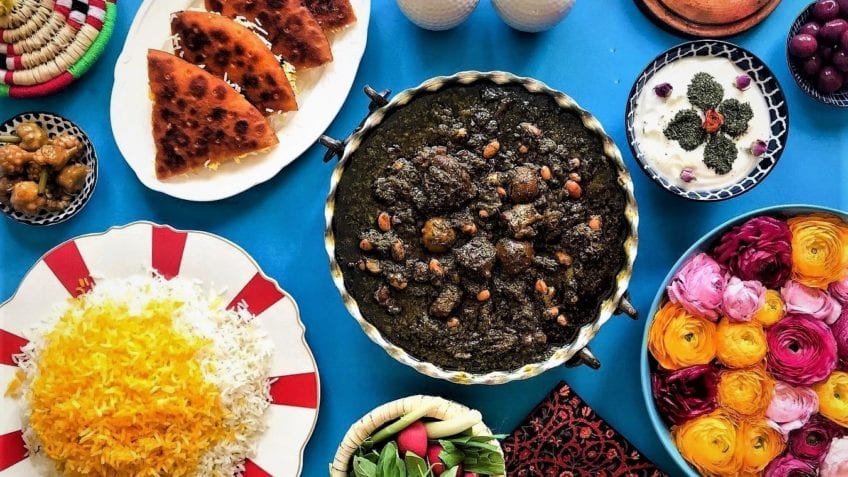
Iranian dishes are a vibrant representation of the country’s history and different geographical areas. Persian cuisine, often associated with Iranian food and culture, has a very long history that has been recently revealed to have the most vibrant past.
The diversity of Iranian traditional dishes is mainly attributed to the different kinds of ingredients that every region has to offer: the north has the most fragrant herbs, the east the best saffron, and the west the fresh produce from fertile plains. Iranian hospitality is greatly sensed through food as meals are served to guests with an open-hearted attitude and considered as a sign of warmth and respect.
Popular Iranian food focuses on balance—sweet and sour, aromatic spices, and slow-cooked flavors—which makes it unforgettable. Exploring famous Persian dishes provides a delicious window into Iranian food and culture, fusing old times with heartwarming traditions.
Top 10 Iranian Dishes
These are the top 10 Iranian dishes that reveal the core of Persian culinary genius. These famous Iranian dishes are loved all over the country and are greatly craved by tourists:
Chelo Kebab
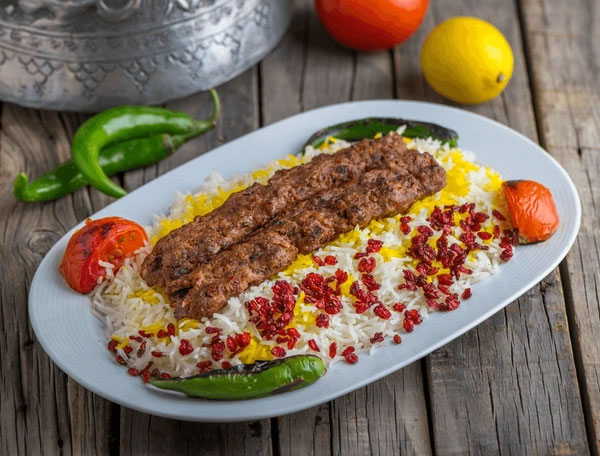
Chelo Kebab is considered the most famous Iranian dish. It is made of rice (chelo) that has been steamed and infused with saffron, served with grilled kebabs; usually, there is a mixture of juicy ground meat (koobideh) and tender chunks. The signature flavor is due to saffron, melting butter poured on the rice, and the smoky char with the grill.
Although this famous Persian dish is often attributed to Tehran, it is still a part of the entire Iranian restaurant scene. Tourists appreciate its straightforwardness and strong tastes, thus making it a perfect starter to Iranian dishes. You will never miss the real Chelo Kebab experience in traditional restaurants when you visit Iran.
also read: Qeshm Island Travel Guide
Ghormeh Sabzi
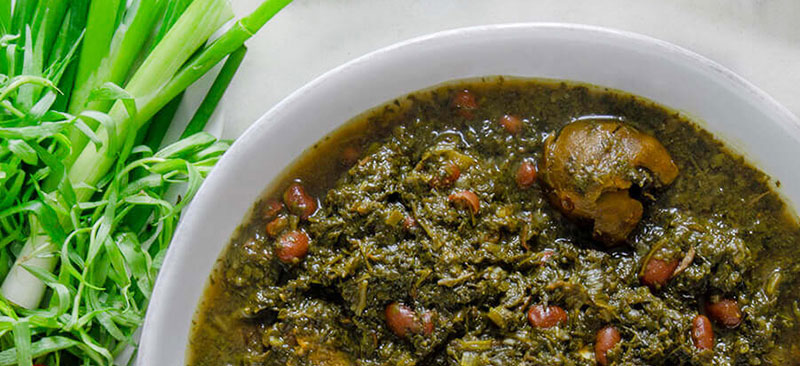
Ghormeh Sabzi is frequently regarded as the national dish of Iran and also one of the best Iranian dishes. This stew made of herbs has a wonderful aroma and consists of parsley, cilantro, fenugreek, and other greens, combining with kidney beans, soft lamb, and dried Omani limes for a tasty acidity.
The rich herb flavor gets enhanced through slow cooking and thus, it becomes earthy and savory. Although it is mainly linked with central Iran, it is still a comfort food in the whole country. The tourists are talking about its unique taste and hence it becomes a “must-try” for people who want to taste the real Iranian traditional dishes during their trip to Iran.
Fesenjan
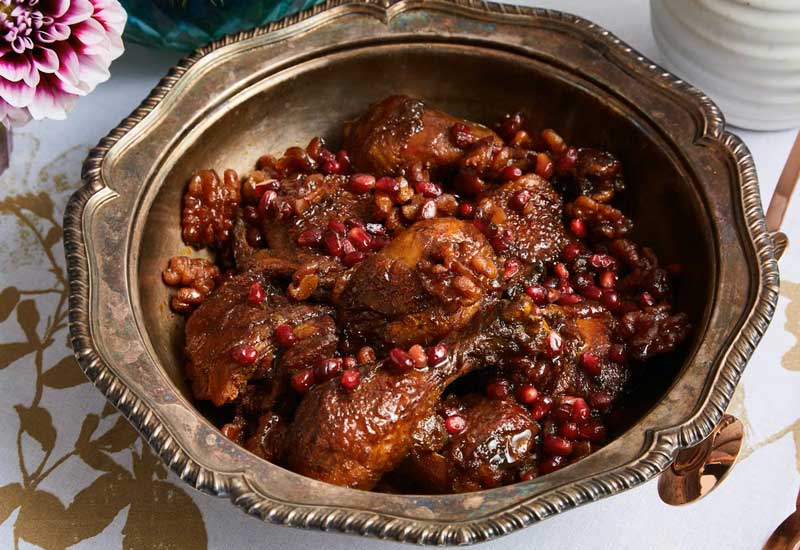
Fesenjan is the name of a luxurious and famous Iranian dish coming from Gilan province of northern Iran. This velvety stew perfectly combines ground walnuts that have simmered in a creamy base with thick pomegranate paste, thus forming a rich, sweet-sour sauce that coats chicken or duck.
The outcome is a deep purple-brown platter of nutty richness softened by bright pomegranate acidity, usually assisted with a bit of sugar or extra paste according to local preferences. It is a dish that has been traditionally made for special occasions, especially in autumn when pomegranates are harvested, and it showcases the fruit-loving cuisine of northern Iran.
Tourists find Fesenjan to be an exotic yet friendly dish, and its unusual flavor, which is so different from the rest of traditional Iranian cuisine, is a major highlight during their visit to Iran.
Tahchin
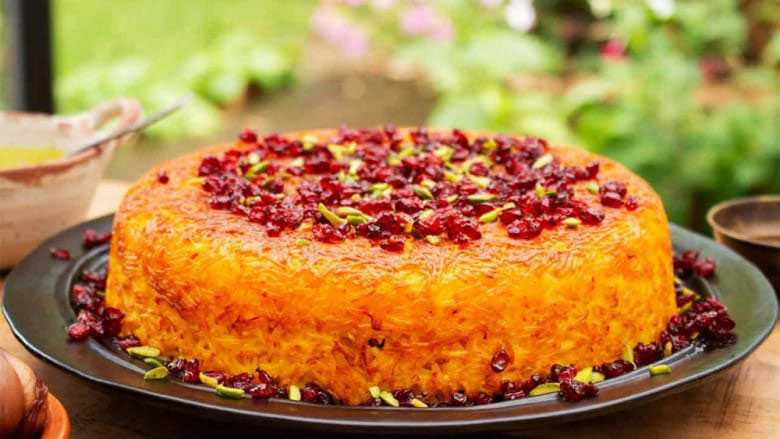
Tahchin is definitely in the list of the top 10 Iranian dishes. It is a delightful baked saffron rice, which is the layering of the rice with chicken or meat and yogurt, egg, and saffron. The contrast between the soft inside and the crispy “tahdig”, which is infused with saffron, makes it very tempting. It is normally the dish you encounter at parties and get-togethers, especially in the case of the ones that are specially made in Tehran or the central regions. The dramatic, eye-catching presentation and texture are a favorite among the tourists, and they consider it one of the most enjoyable dining experiences in Iran.
Baghali Polo with Lamb

Baghali Polo ba Gosht is the supreme Iranian party food, only used for happy celebrations and large families. The fragrant rice is put in layers with fresh dill and tender broad beans (baghali), and then steamed with the slowly cooked lamb shank, which is very tender. The bright and herbaceous notes of dill mingle with the earthiness of beans and the richness of meat juices, thus producing a dish that is both harmonious and elegant.
The dish is strongly associated with Tehran and northern influences, and it is a perfect example of the festive abundance. It is often a delight for tourists with its fresh and refined flavors, and one can be sure of an authentic festive experience in Iran just by sampling this popular Iranian food.
also read: Celebrations in Iran
Dizi/Abgoosht

Dizi, also known as Abgoosht, is a rustic and hearty stew that not only fully satisfies hunger but also allows one to get a direct impression of Iranian food and culture. A mix of lamb, chickpeas, white beans, potatoes, tomatoes, onions, and dried limes is put in a stone or metal pot and cooked slowly till all the ingredients express their deepest and most comforting flavors.
It is served in a very interactive manner: first, the broth is strained and served for sipping with torn flatbread, then the solids are mashed into a paste called “goosht koobideh” to eat with more bread, pickles, and herbs. The dish is rooted in central and working-class cultures; it is modest yet deeply satisfying. The tourists really love the hands-on ritual as it not only makes them feel connected but also immersed in the real Iranian life.
also read: Iran Culture and Traditions
Ash Reshteh

Ash Reshteh is easily among the top 10 Iranian dishes. It is a hearty and rich soup made with thick noodles loaded with reshteh noodles, various beans, lentils, and lots of herbs, all topped with kashk (fermented whey) and mint oil. Its warming, savory depth makes it perfect not only for very cold days but also for big ceremonial occasions, ranging from religious practices to family celebrations.
It is a dish that is widely shared and it also has a symbolic meaning of strength and unity. Tourists savor the comforting flavor that is very Persian and often look for it in the traditional ashpazkhanehs (soup kitchens) as one of the must-try Iranian dishes.
Gheymeh

Gheymeh, a beloved popular Iranian food, consists of yellow split peas cooked together with lamb, dried limes, cinnamon and turmeric, topped with golden French fries. The combination of the piquant and fragrant sauce, together with the very crispy potatoes, makes it hard to resist.
It is often cooked for religious Nazri distributions and is thus of cultural importance. Tourists savor its inviting richness as well as the nice crunch of fries on top of the stew.
also read: Top 10 Tourist Attractions in Iran
Zereshk Polo with Chicken

Zereshk Polo with Chicken is an exquisite rice with saffron, decorated with ruby-like barberries (zereshk), and accompanied by soft chicken stew. The sweet-and-sour berries blend with the soft rice, giving a wonderful contrast. Using barberries from South Khorasan, it is quite popular with tourists and is easily found, thus being ideal for those visiting Iran for the first time.
read more: is iran a cheap country to visit
Mirza Ghasemi

Mirza Ghasemi, a smoky vegetarian dish from Gilan, was said to be made by a governor of the 19th century. The smoky-flavored mashed eggplants combined with garlic, tomatoes, turmeric, and eggs give a dab of creamy, garlicky spread with a strong, smoky taste. It is served with bread or rice and its strong flavors are very much liked by tourists visiting northern cuisine.
Iranian Food and Culture
Iranian food and culture intertwine profoundly, with hospitality being the most important factor. Guests are treated to large meals, which are a sign of generosity. “Sofreh” is the name given to the traditional Iranian table, which is a cloth spread on the floor, thus encouraging communal dining.
Some Iranian dishes are only allowed to be eaten during particular times, for instance, seasons, festivals such as Nowruz, or religious observances. Food is linked to various forms of ceremonies—votive offerings (nazri) or celebratory feasts—showing that Iranian food and culture have always been one of the main ways of connecting and preserving traditions in Iran.
Where Can Tourists Try These Dishes in Iran?
Iran’s most significant cities are full of traditional restaurants and local eateries that provide the top 10 Iranian dishes. The participants of the Iran Cultural Tour in 12 Days or the Iran Cultural Tour in 8 Days will savor quality meals with real flavors in Tehran, Isfahan, Shiraz, and Yazd.
The tours, from crowded bazaar teahouses to classy historic venues, make sure you have the regional specialties’ taste at the same time, with breathtaking cultural landmarks. If you’re planning to travel to Iran to experience these authentic Persian dishes firsthand, make sure to complete your Iran Visa Application in advance and arrange your transportation easily with our reliable Iran Car Rental services.
Conclusion
Exploring Iranian dishes is not just for the pleasure, but accepting an important aspect of the Iranian journey as a tourist. The flavors of these famous Persian dishes are so strong and mouth-watering that you will keep thinking about coming back!
Participate in one of our tours to sample the authentic traditional Iranian dishes and to make your lasting, precious moments through the combination of Iranian warmth and culture.