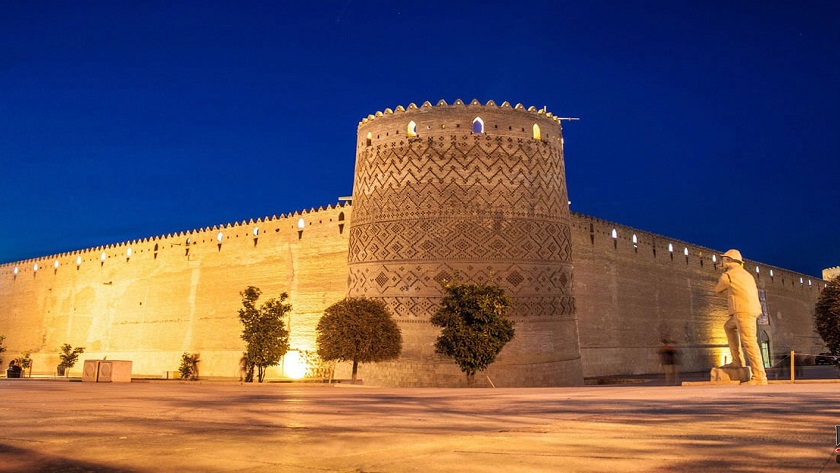
Iran has a valuable historical heritage because its castle-building traditions date back thousands of years, which developed from its geographic location at the intersection of multiple civilizations. The Sassanian Empire constructed various types of buildings, which included their major defensive structures and detailed architectural works from the Islamic and medieval periods.
The famous castles of Iran draw visitors who want to learn about their historical past while exploring the ancient sites, displaying exceptional military design. They provide dual functions because they teach visitors about Persian history while presenting distinctive experiences for both history buffs and adventure seekers.
Why Castles Were Built in Ancient Iran
The period between the earliest human settlements in Iran and the formation of the first Persian Empire served as the time when castles developed into vital elements for military operations and state control. The forts that builders built to protect people from attacks by enemies and wild animals developed into complex defense systems, which protected trade routes, including the Silk Road and provided safety to towns during dangerous periods.
The builders selected their construction sites on hilltops, cliffs and rocky outcrops because these locations provided natural protection, while their structures enabled watchers to see surrounding territories and military threats. The Sassanian period established castles as military bases, which served as both correctional facilities and government offices because the empire required tight control of its official operations.
Medieval Islamic architects developed their architectural designs through the use of advanced engineering techniques, which enabled their buildings to resist enemy attacks. The ancient Persian castles served as essential elements of Iran’s historical development because they created defense systems that protected the nation from invasions and established peaceful governance in the territory.
Top Famous Castles and Citadels in Iran
Famous castles of Iran reflect the country’s historical heritage and architectural development throughout different historical periods, showing building techniques from the Achaemenid Empire to the Sassanian Empire. The castles function as vital heritage sites because they demonstrate vital moments of historical progress.
Arg-e Bam (Bam Citadel)
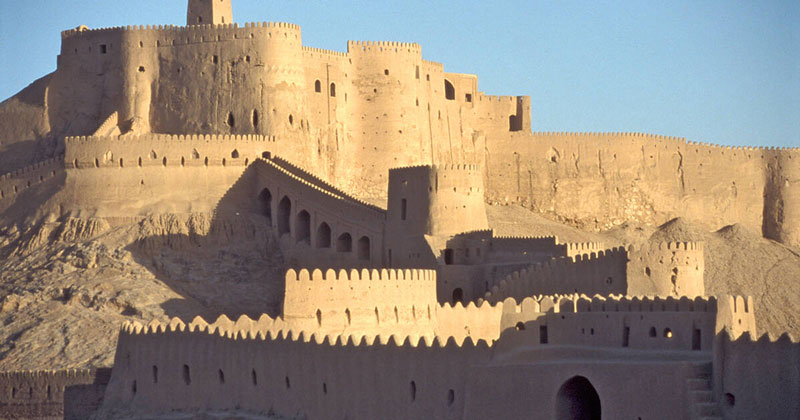
The Arg-e Bam stands as one of the best Iran castles because it houses the largest adobe structure in the world and has received UNESCO World Heritage Site designation. The Achaemenid Empire constructed the vast southeastern Iranian fortification, which operated as a principal Silk Road trading and cultural exchange hub between the 6th and 4th centuries BC.
The ancient Persian city used mud bricks to construct all its buildings, which included residences, markets and defenses. The historical site suffered major destruction because an earthquake struck in 2003, killing thousands of people and destroying the valuable heritage site.
International funding enables ongoing restoration work, allowing visitors to experience the site’s restored beauty and historical strength. Visitors to Arg-e Bam can explore its restored paths, recreating the experience of an ancient Iranian city that once thrived.
Narin Castle, Meybod
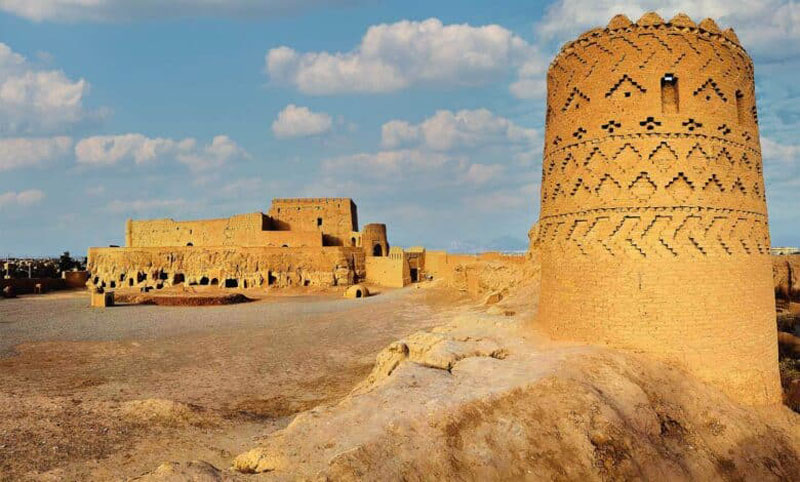
Narin Castle in Meybod is a famous citadel of Iran. Its construction dates back to a time between 2000 BC and 6000 BC. This mud-brick fortress in Yazd province, which displays its four main towers that reach 40 meters in height, together with its multiple floor levels and its advanced ancient plumbing system, demonstrates early engineering achievements.
The site functioned as a strategic defense point, which enabled observers to monitor the entire surrounding area during prehistoric and early Islamic periods. The building’s structure shows Median and Sassanian architectural styles, making it an important archaeological site that helps researchers study the historical evolution of central Iran.
The ancient stronghold remains a popular research site for archaeologists and history enthusiasts who want to experience its original size through the climbing of its existing structures.
Falak-ol-Aflak Castle
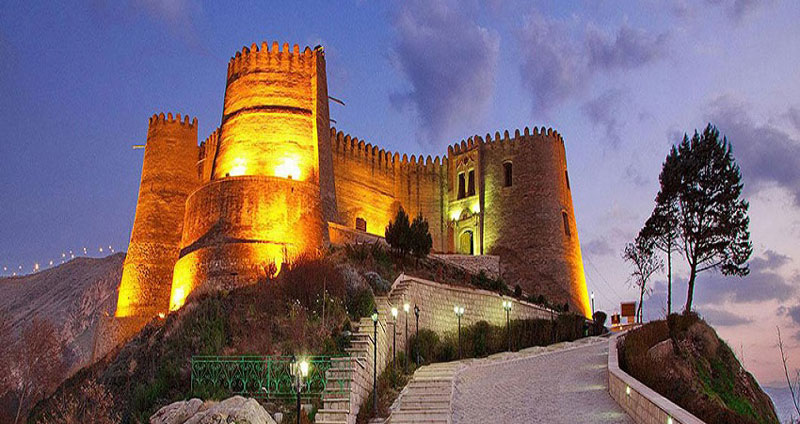
The Sassanian-era Falak-ol-Aflak Castle, which was built in the 3rd century AD, stands on a hill in Khorramabad as a multifunctional structure that serves three purposes as a fortress and a prison and a royal residence. The name of the building, which means “Heaven of Heavens,” reflects its lofty position, engineered to use wind power for its structural support.
The castle is among the most famous castles of Iran, serving as a residence for various rulers, a detention center for prisoners and a storage space for valuable items throughout different Islamic dynasties that controlled the area.
The present-day museum displays artifacts from Lorestan’s extensive historical collection, which visitors can view while learning about the region’s past and enjoying the beautiful valley scenery. Visitors who wish to explore the historical sites of western Iran find the castle’s powerful protection system which safeguards essential parts of the area’s historical sites to be their main point of interest.
Alamut Castle
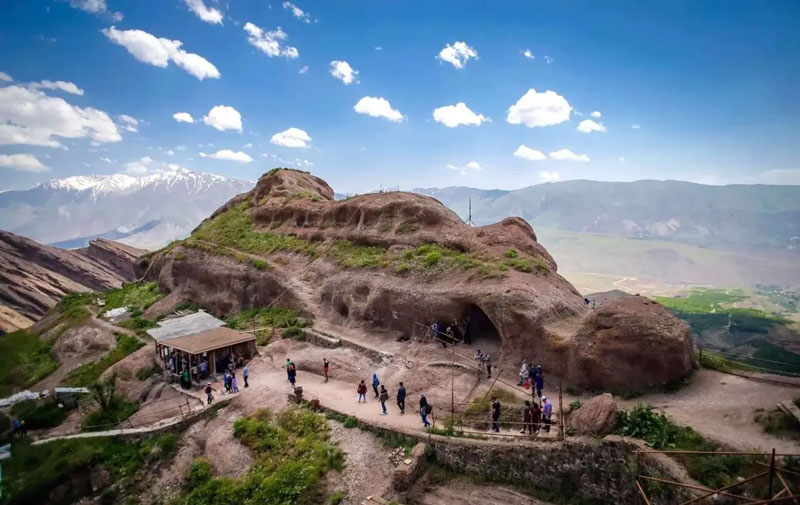
Alamut Castle is among the famous castles of Iran. It sits on the unapproachable cliffs of the Alborz Mountains, and became known to the world after the Ismaili period began in 1090 AD because it served as the main base for the Nizari Ismailis, who were falsely depicted as the “Assassins.”
The structure, which was first constructed during the 9th century, reached a height of more than 2000 meters to create an effective defense system that protected against all attackers, including the Mongols, who destroyed the structure in 1256.
The site contains ruins that become visible through difficult hiking trails and they reveal details about medieval political power struggles and the existence of a legendary library lost to history. Alamut offers a unique experience to explorers who want to discover both its historical sites and its picturesque surroundings, which include breathtaking valleys.
Rudkhan Castle
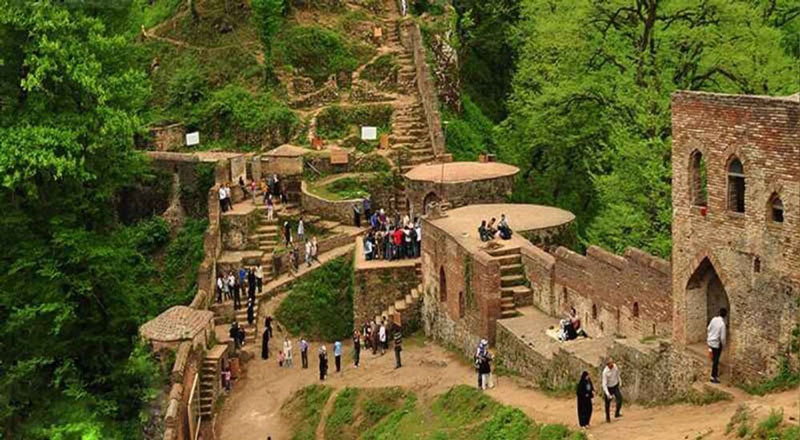
Rudkhan Castle is another gem on the list of famous castles of Iran. It stands as a Sassanid-era fortress in Gilan Province. It was constructed during the 7th century to defend against Arab invasions through its strong stone walls and extensive tower network. The Seljuk period saw its reconstruction, extending across a forested ridge that visitors must traverse through 1,000 steps of dense vegetation to reach.
The military base known as “Castle of a Thousand Steps” operated as a defense facility that merged with its natural surroundings to create expansive views of northern Iranian landscapes. Eco-tourists who wish to discover medieval architecture in a natural environment will find this location to be perfect for their activities.
Izadkhast Fortress
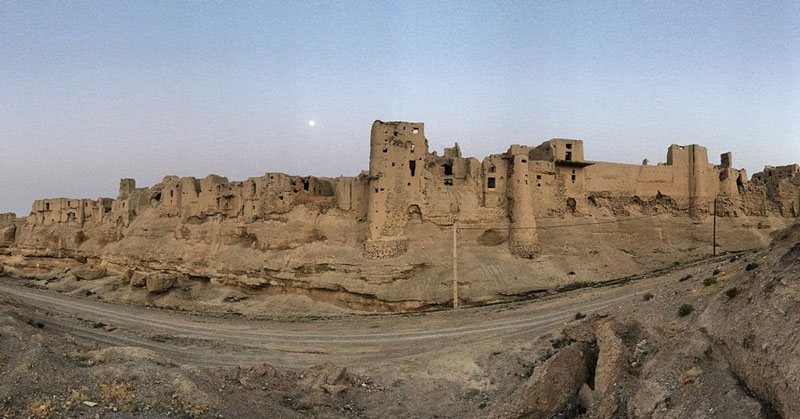
The Izadkhast Fortress from Fars Province is another one of the famous castles of Iran. It demonstrates Sassanid architectural defense methods, which were used from 224 to 651 AD because it served as a walled city on the Silk Road. The structure was developed on natural rock foundations, which supported the construction of residential areas and mosques and protective structures, while the adjacent caravanserai and bridge strengthened its architectural system.
The site shows evidence of its original urban design through its remaining adobe structures, which suffered from time and flood damage, leading to its designation as a UNESCO tentative site. The site can give the visitors a chance to get in touch with its historical periods when there were the trading activities and cultural interaction of Persia with other parts of the world.
Visiting Iran’s Castles — Practical Tips
The best time to visit is spring from March to May and autumn from September to October because the weather remains mild, which enables visitors to explore without facing summer heat or winter cold. The main sites, Arg-e Bam and Falak-ol-Aflak, charge entrance fees between 500,000 IRR and 1,500,000 IRR plus additional charges for museum access. Visitors need to dress modestly because women must use headscarves and loose clothing, while men must not wear shorts.
Visitors should follow safety guidelines, which state they must stay on designated trails because unstable ruins exist beyond these paths and they should hire local guides to reach remote areas, while no-photo zones must be observed at sensitive locations.
Visitors should take off their shoes before entering indoors (part of local culture), while they must treat residents with respect because these residents demonstrate hospitality. Our organized experiences provide two options, which are our 8-Day Cultural Tour and 12-Day Cultural Tour, that offer guided tours to these stunning attractions.
Conclusion
The famous castles of Iran stand as timeless guardians of a nation’s epic saga, combining military defensive expertise together with architectural beauty that extends across different empires. The sites, which include Arg-e Bam’s adobe expanse and Rudkhan’s misty summits, provide visitors with ancient military knowledge while showcasing historical cultural sites that create a sense of wonder in present-day tourists.
The touristic charm of these sites originates from their stone inscriptions, which provide visitors with a chance to experience the vibrant traditions of Iran. Your trip needs to be scheduled at this moment so that you can explore these hidden gems and write your personal story about the everlasting heritage of Persia.