Lut Desert, also known as Dasht-e Lut, is a vast, arid region located in southeastern Iran. Covering an area of approximately 51,800 square kilometers, this UNESCO World Heritage site offers an array of activities for adventurers and nature enthusiasts. In this article, we will explore the geography, climate, vegetation, wildlife, and activities in the Lut Desert, including what the desert is like at night.
Lut Desert Location
The Dasht-e Lut or Lut desert covers an area of 51,800 square kilometers in the southeastern part of Iran, mainly in the province of Kerman, Iran. It is a UNESCO World Heritage site and is 480 km in length and 320km in width. It is bounded by the Iran-shahr Mountains (north), Kerman Mountains (west), Sistan Plain (east) and Beshagard Mountains (south).
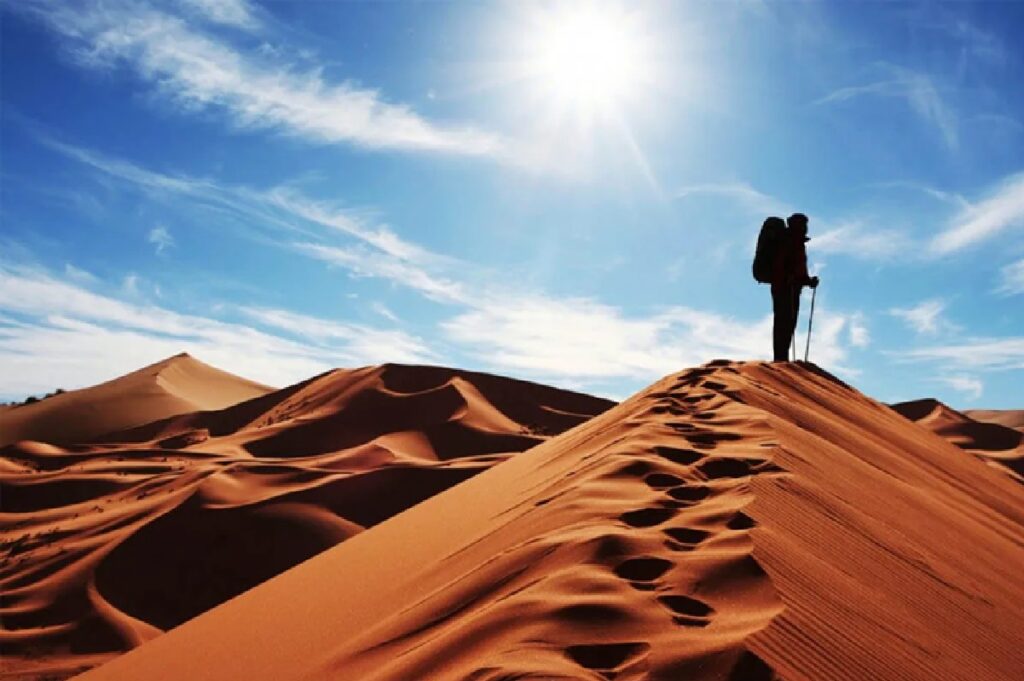
It has sand dunes (500 meters), salt flats and yardang ridges (kaluts). It can be approached through Kerman city, which is 300 km away, to Shahdad, which is the entrance to the desert and is 4-5 hours by road. Flights from Tehran to Kerman take 1.5 hours and buses take 10 hrs. At Shahdad, 4×4 desert tours are needed to explore the rocky Dasht-e Lut desert in Iran.
Lut Desert Weather and Temperature
The weather of the Lut Desert in Iran is harsh, and the hottest season is summer. It is when the Desert weather reaches 50-60 °C, and with a record 80.8 °C surface temperature (NASA data), the desert of Lut is even hotter than Death Valley. Night temperatures fall to 10-20 °C, or even freezing, during winter.
Rainfall is less than 30 mm annually and Sistan winds define summer sceneries. Winter (December-February) has pleasant day temperatures of 15-25 °C and in spring, there are short periods of green plants before the sweltering weather reappears in the summer.
Vegetation and Desert Lut Animals
The Lut Desert is a desert that sustains few living organisms, whose animals and plants are adapted to harsh conditions. In Rig-e Yalan, tamarisk and hawthorn shrubs create nebkas where the shrubs tap the moisture of the ground. Grasses grow in Dasht-e-Sar by
the rain in the springtime, whereas hamadas in the middle are barren.
Animals of the Dasht-e Lut desert, such as Rupell’s foxes, sand cats and Iranian ground-jays, flourish by night, as do reptiles such as agamas, which nest in burrows. The Lut Desert has a robust ecosystem due to insects surviving in 70 °C temperatures.
If, after exploring the stunning beauty of Lut Desert, you are looking for a true desert adventure in Iran, click on Iran Desert Tours now and embark on an unforgettable journey in the heart of Iran’s deserts.
Dasht e Lut Desert Recreational Activities
The Lut Desert in Iran is a great tourist destination to indulge in unique and exciting activities. 4×4 or motorcycling desert safaris will cross dunes and Kalut valleys, providing an adrenaline rush and stunning views of rock towers and oases.
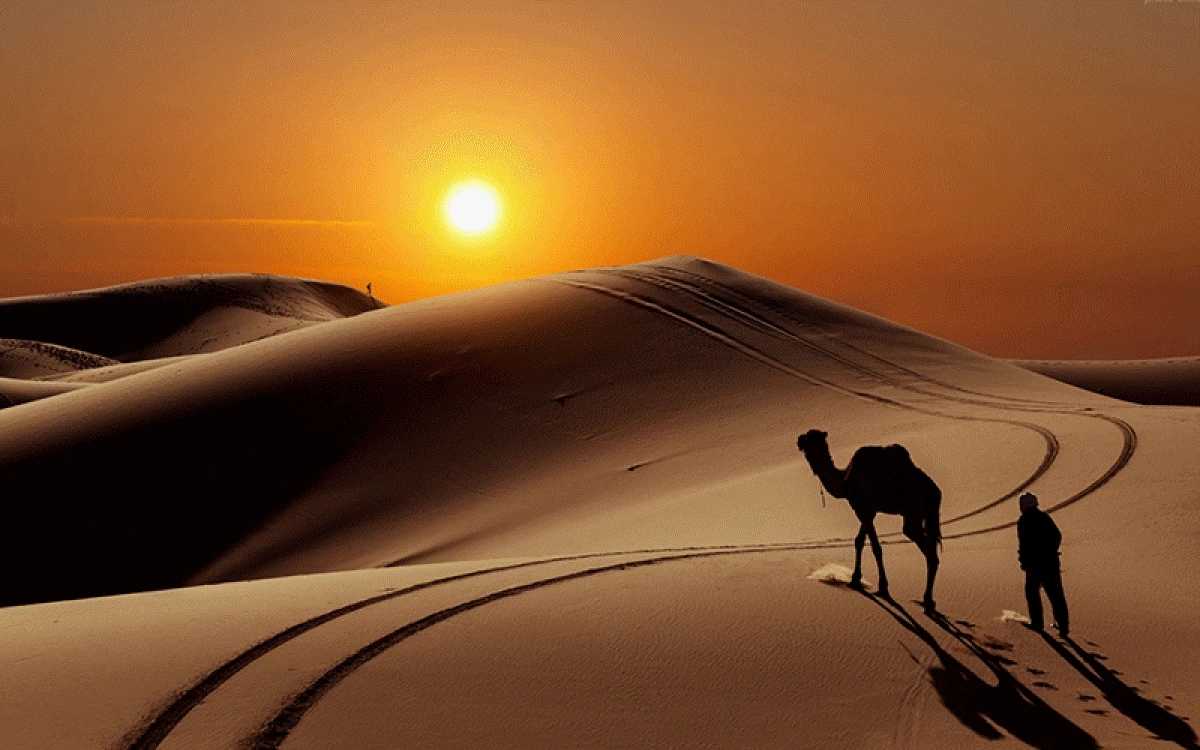
Camel riding is a classic experience of dune riding in the Dasht-e Lut desert that connects tourists to nomadic culture with caravan tales of the guides. Permitting hiking and photography, yardangs and salt flats are discovered; surrealistic sunrises, geological stripes, mix adventure with art in the Lut Desert in Kerman Province, Iran.
Get to your hotel quickly and safely with our Iran airport transfer service.
Lut Desert Night
During the night, the Lut Desert changes with the temperatures that reach below 30-40 °C, lowering the daytime temperatures that were above 50 °C, thus producing a calm chill. With the sky bright and free of any light pollution sources, one can observe spectacular skies with stars, the Milky Way and meteors, enthralling the visitors.
If this sounds like your kind of destination, make sure your Iran visa application is ready before planning your trip.
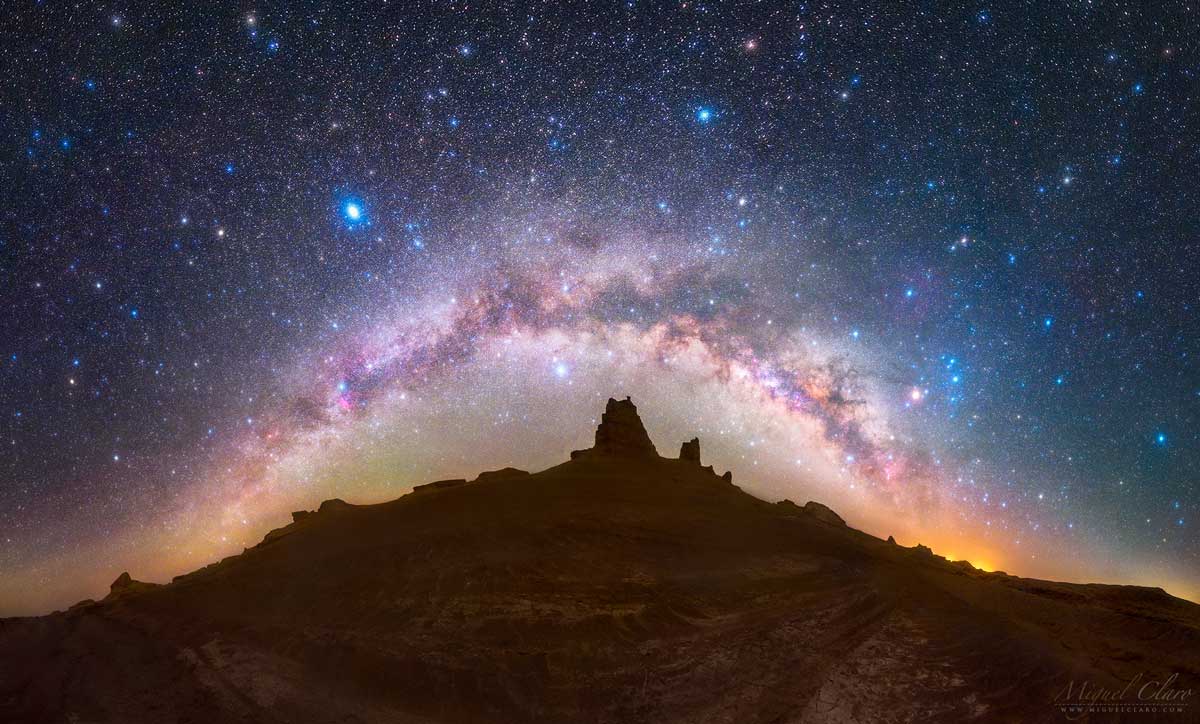
The telescopes are used to observe galaxies as astronomers and stargazers visit on a yearly basis. The fireside peace is the tranquility enjoyed by campers and Dasht-e Lut desert night is a cosmic show to the adventurer and nature lovers.
Also more: Iranian Tourist Attractions
Importance of Lut Desert
Lut Desert is not only a popular destination for tourists but also holds significant scientific importance. The desert is considered a laboratory for studying the effects of climate change and aridification. It is also home to several rare species of plants and animals that have adapted to the harsh desert environment.
Travel like a pro by reserving your Iran airport transfer ahead of time.
Last word
Lut Desert is a land of extremes and adventures, offering a unique experience for adventurers and nature enthusiasts. The desert’s harsh climate conditions, unique geography, and sparse vegetation and wildlife make it a challenging and unforgettable destination. Visitors can indulge in a range of activities, including sandboarding, camel riding, and hiking, and enjoy stargazing in one of the clearest skies in the world. At night, the desert takes on an entirely different character, providing a surreal and magical experience. Exploring the Lut Desert is an unforgettable adventure that should not be missed. Additionally, the desert’s scientific importance makes it a valuable location for researchers studying the effects of climate change and aridification.Take part in our guided tours to the Lut Desert, providing you a nice visit with a deeper understanding of the desert.
Discover Iran’s history, culture, and breathtaking scenery at unbeatable prices with our Iran Budget Tours.
Let us know your ideas and comments about this desert in the comment box below, we will be happy to hear from you!
FAQ
1. Is the Lut Plain located in the desert?
Yes, the very heart of the Lut Desert is the Lut Plain, which is a vast basin with salt flats and dunes.
2. Is the Lut Desert the hottest place on Earth?
Yes, the Lut Desert registered 80.8 °C surface temperature, which is the highest in the world.
3. Where is the Lut Desert located?
The Lut Desert is located in southeastern Iran in the Kerman region, Sistan-Baluchan region and South Khorasan region.
4. Is the Lut Desert hotter than Death Valley?
Yes, the surface temperature of the Lut Desert, 80.8 °C, is more than the 56.7 °C air record of Death Valley.
5. Why is the Lut Desert so hot?
The heat in the Lut Desert is due to the rain-shadow location, the dark rocks, low humidity and trapped winds.


One Response
Spot on with this write-up, I really believe that
this site needs a great deal more attention. I’ll probably be returning to see more,
thanks for the advice!