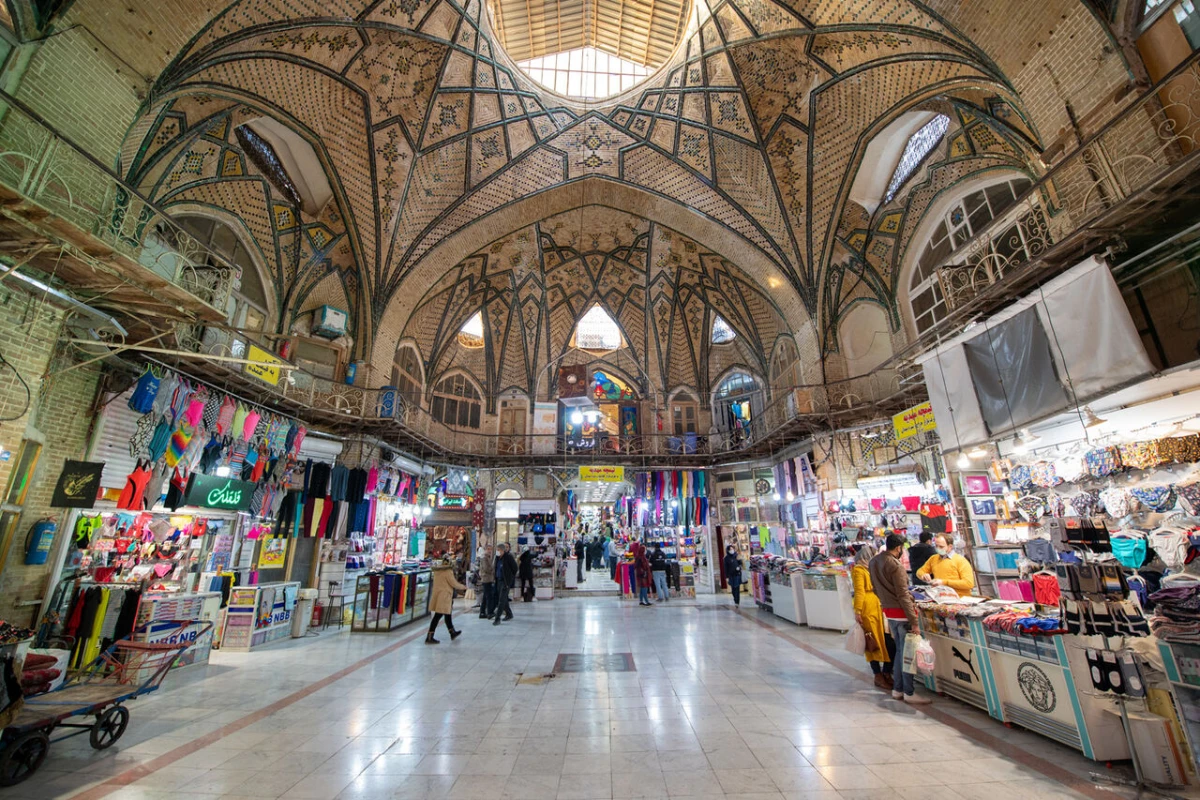
Tehran Grand Bazaar functions as Iran’s largest and most distinguished market because it spans a vast area, blending historical elements with commercial activities and cultural traditions. Tehran’s Grand Bazaar established itself as one of Iran’s oldest vital commercial hubs, which has operated for hundreds of years to support both locals and international tourists.
The Hajeb Al-Dowleh historical market in Tehran is a completely preserved section that shows the permanent cultural heritage of the bazaar. The bazaar in Tehran stands as an active display of traditional Iranian trade practices.
History of Tehran’s Grand Bazaar
The Grand Bazaar, Tehran, started its development during the Safavid period, lasting from 1501 until 1736, when Tehran was just a small town. Initial trading activities started in public areas under Shah Tahmasb I, which expanded throughout the city’s development. The Qajar dynasty brought about the major transformation of the area between 1789 and 1925. After Agha Mohammad Khan made Tehran the capital in 1786, Naser al-Din Shah implemented complete urban improvements, including the construction of covered walkways, timchehs, caravanserais and mosques that turned the bazaar in Tehran into the country’s main economic center, which included dedicated marketplaces for carpet, gold and spice trade.
The Grand Bazaar of Tehran served as a key political venue during important historical events. Merchants and clerics formed an alliance during the Constitutional Revolution, which occurred between 1905 and 1911, to demand reforms while using their market space for both protests and organizational work. The Islamic Revolution of 1979 saw Tehran’s Grand Bazaar mobilize its resources to challenge the Shah’s policies through financial support, and local activist efforts played a crucial role in bringing down the government.
Discover everything you need to know about culture, food, and attractions in our detailed tehran travel section.
Architecture of the Bazaar in Tehran
The Tehran Grand Bazaar exhibits traditional Iranian bazaar architecture, which functions effectively while adapting to weather conditions and showcasing local culture. The system consists of 10 kilometers of interconnected hallways, creating an urban environment that differs from contemporary retail spaces.
The structure depends on brick-vaulted dome roofs, which architects designed to create natural airflow through the building. The dome trait enables the structures to gain thermal comfort in the summer seasons through vents and the use of skylights to allow hot air to escape. The domes filter natural daylight into the interior spaces, creating light patterns that fall on brick walls while reducing the need for artificial illumination through their eco-friendly design based on traditional Persian design methods.
The design combines timchehs (ornate covered arcades), sarais (inns) and caravanserais (merchant lodgings), linked by winding corridors. Timchehs function as dedicated sub-markets which feature detailed plaster and tile architectural work. The historical caravanserais supplied the merchants with places to stay and their goods, which led to the strengthening of trade ties and their ties with the different guilds.
The Iranian urban design principle, which combines commercial activities with religious practices and community spaces, permeates the city as mosques and schools establish their presence in commercial districts. The Qajar period brought European architectural elements to the area through its new structures, yet the traditional brick-dome style maintains its historical heritage.
Discover the heart of Persia through our Iran Budget Tours, where unforgettable memories meet affordable travel.
Hajeb Al-Dowleh Historical Market, Tehran

The Hajeb Al-Dowleh historic market in Tehran is one of the oldest and most beloved parts of the Tehran Grand Bazaar. It was built in the mid-to-late 19th century when Naser al-Din Shah ordered his courtier Haj Ali Khan Hajeb-ol-Dowleh to build it. The site was registered as a national heritage site in 1356 solar (around 1977) because of its architectural and historical value.
The historic Jameh Mosque serves as the site that developed from open-air trading into complete covered market space. The architectural design of the Hajeb Al-Dowleh historical market in Tehran displays its four-souq configuration, including a central space and four main passageways that meet at a cross-shaped intersection. The high ceiling rises dramatically and scenic domes display Persian brick motifs which create geometric patterns together with delicate plasterwork.
The building has light columns that introduce natural lighting to the area and provide an airy feel by illuminating the cozy colors of the old brick. These elements are endowed with structural beauty and decorative appeal through the Qajar craftsmanship tradition and this site has done justice to preserving them.
The area functions as an important commercial center, which supports both wholesale and retail business operations. The site has operated since its inception as a marketplace, providing low-cost, high-quality products to merchants who sell textiles, household goods and basic daily needs. The Tehran Grand Bazaar functions as a central market, attracting multiple types of traders to maintain its economic activity throughout different historical periods.
The Hajeb Al-Dowleh historical market in Tehran stands out because it provides visitors with an authentic traditional atmosphere, which they can experience through various sensory elements. Visitors encounter the echoes of footsteps on stone floors, the aroma of spices and the calls of vendors amidst a backdrop of polite haggling and shared tea.
The market provides visitors with an authentic Persian cultural experience because they can explore its architectural elements, including high ceilings, brick decorations and natural light that enters through the domes. The section functions as an independent area within the Tehran Grand Bazaar because it shows authentic Iranian cultural heritage, which every visitor needs to see when they explore Tehran’s cultural attractions.
What Can You Buy at Tehran Grand Bazaar?

Hajeb Al-Dowleh historical market is unique due to its ability to give the visitor an authentic traditional environment, which one can sense through different sensory experiences. Shopping in Tehran Grand Bazaar is a cultural experience that gives visitors a unique experience. Special areas serve each preference, such as:
- Persian Carpets: Skilled masterpieces of traditional hand-knotted carpets in antique and modern designs, and sold in specific stores known as rastehs.
- Gold and Jewelry: The Bazaar of Goldsmiths: The store has exquisite items and at reasonable crafting prices and classical Persian designs.
- Spices: The colorful stalls offer fragrant saffron, sumac, dried herbs and mixtures, which will be ideal food souvenirs.
- Fabrics: Jafari and other divisions are selling high-quality textiles, scarves, and block-printed cloths.
- Handicrafts: Iranian artists display their work through miniature items, khatamkari inlaid work, copperware and ceramics.
Get to your hotel quickly and safely with our Iran airport transfer service.
Visiting Guide — Practical Information
Here are some tips you need to know if you are heading to the Tehran Grand Bazaar:
- Location: 15 Khordad Avenue, District 12, southern Tehran (majority of it is close to the Golestan Palace and Sabzeh Meydan).
- Hours: Saturday-Wednesday 8.30 AM-5/6 PM; Thursday until around 2 PM internally; and Friday and holidays.
- Best Time: At dawn, there are fewer people; avoid midday heat and peak bustle.
- Tips: The area is generally safe with police presence, but be careful of pickpockets amongst the crowds. Wear decently (a headscarf and loose clothes among women).
- Show respect to local practices, drink tea graciously and seek permission first before capturing pictures of the interiors.
- Metro: 15 Khordad Station on Line 1 (red line), and Khayyam Station (western sections).
Last word
The Tehran Grand Bazaar is a fascinating and unique destination, offering a glimpse into Iran’s rich cultural heritage and history. The bazaar’s architecture, layout, and merchandise make it a must-visit destination for anyone visiting Tehran.
Despite the challenges it faces, the bazaar remains a vital part of Tehran’s cultural and economic landscape. As efforts to preserve and promote the bazaar continue, it is likely to remain a key landmark and destination for years to come. Planning a trip? Don’t forget to check the Iran visa application process.
Let us know your ideas and comments about this bazaar in the comment box below, we will be happy to hear from you!