Traveling to Iran requires a keen awareness of customs regulations to have a smooth travel experience and also avoid penalties. There is a constant enforcement of strict rules by authorities when it comes to declarations, and they are very particular about what can be brought into the country. This includes not only surveillance equipment, alcohol, pork, drugs, and weapons, but also restrictions on the exporting of antiques.
To be on the safe side, tourists should declare their goods properly, have prescriptions for their medicines, and keep official receipts for their purchases. As regulations may be subject to changes, it would be best to confirm the latest information with official sources for a problem-free experience.
Customs Declaration Requirements
According to Article 136 of the Executive Regulations of the Customs Law, the Iranian customs authorities shall be informed about the goods that all incoming passengers carry. The manner of declarations can be oral, but if a passenger declaration form is issued, it has to be filled in correctly and submitted. Not declaring items, including hiding goods, and finding them out during customs inspection will lead to the application of anti-smuggling laws and corresponding punishments.
Imports That Are Not Allowed in Iran
According to Article 122 of the Customs Affairs Law, the importation of certain goods is permanently and totally banned. Among these goods are the following:
- Any kind of radio transmitting devices, along with their parts
- Instruments made for taking pictures or shooting films from the air
- Devices for surveillance, monitoring, listening and capturing, including tiny cameras and microphones, subterfuge or high-speed transmitters
- Systems for monitoring or controlling communication (wired or unwired)
- Decryption systems aimed at espionage
- Equipment for professional photography and videography
- Unmanned aerial vehicles (UAVs) comprising drones, quadcopters, robotic or smart devices, and their related parts
- Unregistered satellite-based internet and communication devices like Starlink
Furthermore, the importation of electronic and telecommunication equipment with a commercial or specialized application that might be abused for spying, and pharmaceutical, food, mineral, toxic, or organic materials regarded as dual-use with potential bioterrorism applications, may be prohibited through official notifications from the Ministry of Intelligence.
also read: Payment Methods in Iran
Other Items of Strictly Prohibited Nature
The following items cannot be imported to Iran under any circumstances:
- alcoholic drinks and their by-products
- all sorts of pork, and anything related to this meat type
- narcotics and psychotropic substances, which are illegal (very heavy penalties for possession or trafficking)
- Weapons, ammunition and military supplies
- Non-approved radio transmission and communication devices
- Materials for adult use (Pornography)
- Equipment and materials related to gambling
Moreover, some prescription medicines that are widely used in the rest of the world can only be imported in very small amounts and will need a valid medical prescription. It is recommended that the tourists take the medicines in their original packs and with a copy of the prescription.
also read: rent a car in iran
Prohibited Exports from Iran
Iran blocks the export of a number of items. The list below contains those items:
- Registered antiques and archaeological finds
- Genuine art pieces and handwritten manuscripts
- Ancient coins and rare items from the past
- Guns, ammunition and other military gear
- Narcotics and other drugs
Exporting cultural heritage items without the proper permits may lead to confiscation and legal actions.
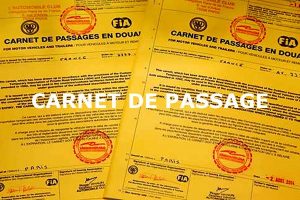
For those planning to travel to Iran by land, understanding customs regulations is crucial; you can also plan your journey with an Iran road trip and get complete information about Carnet de Passage Iran for border crossings.
Permitted Exports for Tourists
Travelers, depending on the inspections and current regulations, are allowed to export the following:
- Non-antique Persian crafts and artworks
- Kilims plus one new or non-antique Persian carpet, usually not more than 12 square meters in size
- Small amounts of certain food products, for example, pistachios (often up to 10 kg) and saffron (usually up to 200 g)
It is necessary for travelers to keep very good official receipts that state that the imported items are not antiques, and check current weight, quantity limits, and permit requirements before leaving the country. The airport customs officers and Irun2Iran, as your tour operator or the official Iranian Customs Administration website, can provide the final and up-to-date regulations.