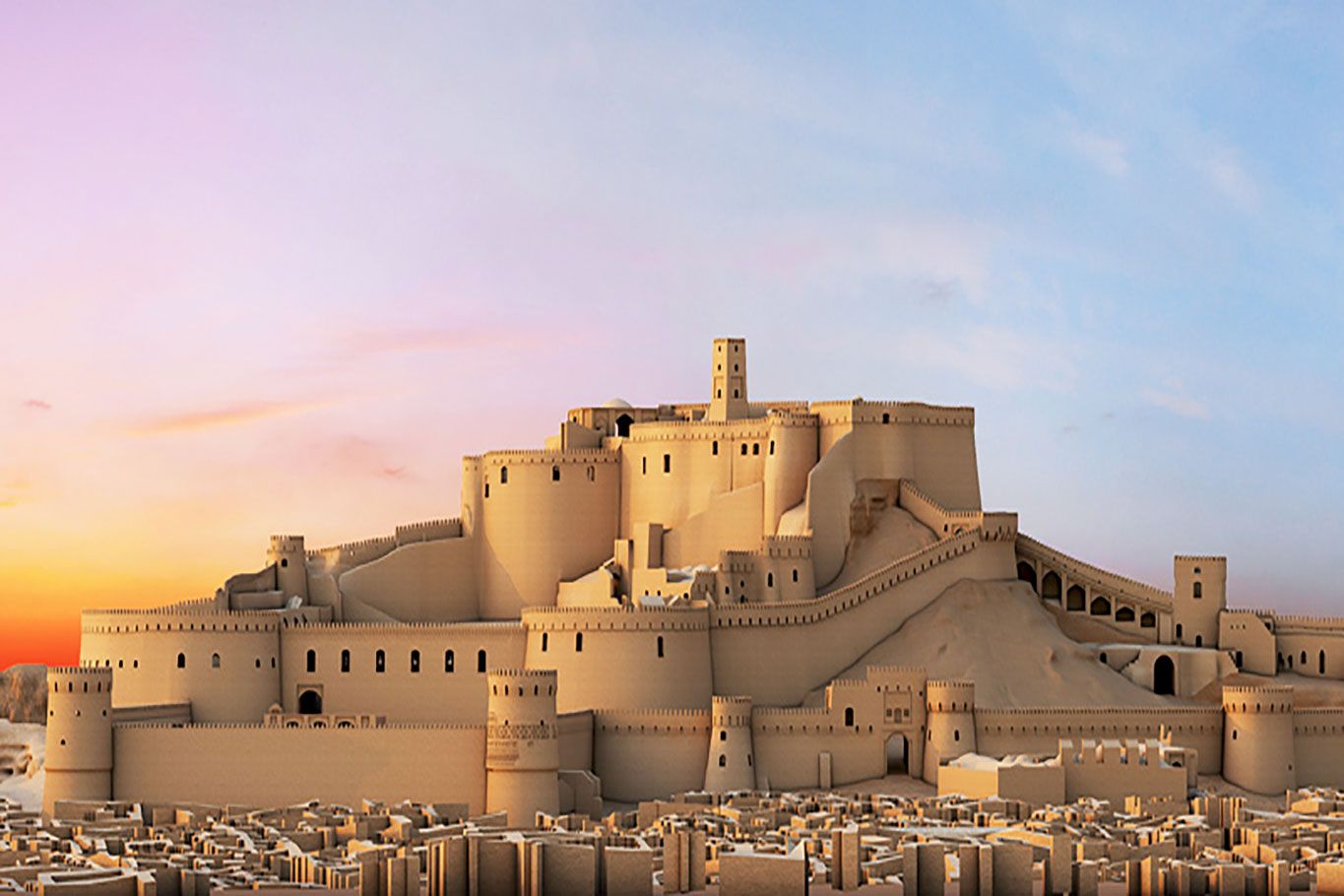
The world largest adobe building and one of the big historical buildings is the Bam Citadel, or the Arg-e Bam, at Bam, Iran. It is an ancient fort situated in Kerman province which is a large mud-brick structure which shows the intelligent and strong spirit of the Persians. It used to be a busy trading center and it depicts different levels of civilization of pre-Islamic times.
It was given the status of a world heritage site by UNESCO in 2004 due to its importance as a medieval fortified city. The location provides the visitors with an abundant cultural heritage and picturesque landscape within a deserted landscape.
Bam Citadel Architecture and Design
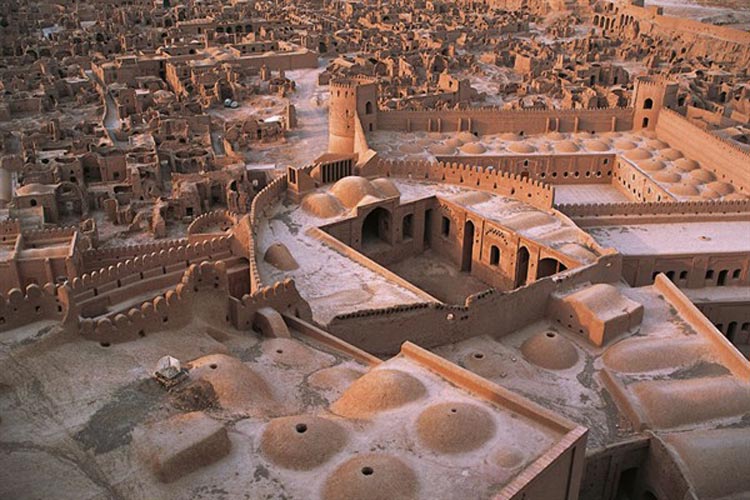
The Bam Citadel is a fascinating and unique fortress that is divided into several distinct parts, each with its own unique character and history. The fortress offers a glimpse into the intricate design and architecture of ancient Persia all constructed of mud bricks, a traditional building material that is both sustainable and durable. Different parts of the Bam complex are:
- Wall and Towers of Bam City: A massive wall over six meters thick and 16 meters high, punctuated by 38 towers, each with a unique design and function.
- Alleys, Staircases, and Courtyards: A labyrinth of narrow alleys, winding staircases, and hidden courtyards make up the interior of the fortress.
- Bam Governor’s Residence: A building within the fortress that served as the residence of the governor of Bam.
- Administrative Center: Buildings and structures within the fortress that served as the administrative center of the citadel.
- Bam Jame Mosque: A mosque located within the Bam Citadel was built during the onset of Islam in Iran.
- Public Bathhouse (Hamman): This part is not repaired yet but the original design shows the separate men’s and women’s sections.
- The Bam Bazaar: This part is well rebuilt after the damages including its vaulted ceiling.
If this sounds like your kind of destination, make sure your Iran visa application is ready before planning your trip.
History of Arg-e Bam
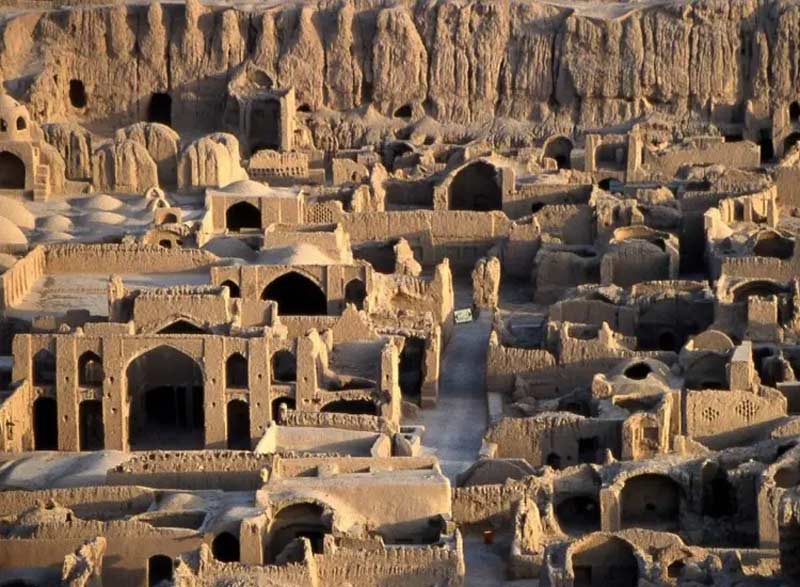
The Bam Citadel traces its origins to the Achaemenid period (6th–4th centuries BC), with roots possibly extending further back. The Parthian and Sasanian periods saw the establishment of a fortified settlement that combined military defense with residential development. The Silk Road served as its main access route which enabled merchants to transport silk and spices and cotton and precious stones from Asia to the Persian Gulf and the Mediterranean.
The citadel reached its peak during the Islamic Middle Ages (7th–11th centuries). Arg-e Bam functioned as a military fortress because its 38 watchtowers and thick walls protected it from enemy attacks while people populated the area. The central bazaar and mosques and bathhouses and schools and the Governor’s Residence occupied the highest hill of the city.
Residents of this area formed an independent community through their work as artisans and traders and scholars. The Bam Fortress remained inhabited until the early 20th century, thus attesting centuries of adaptation and resilience.
also read : soltaniyeh dome
The 2003 Earthquake and Restoration Efforts
The seismic activity which produced a magnitude 6.6 earthquake struck Bam Iran on December 26 2003 and the bam citadel earthquake epicenter was near the city, causing widespread destruction and claiming over 30,000 lives. The ancient mud-brick structures of the Citadel of Bam were particularly vulnerable; approximately 80% of the citadel crumbled, reducing iconic features like walls, towers, and residential quarters to rubble.
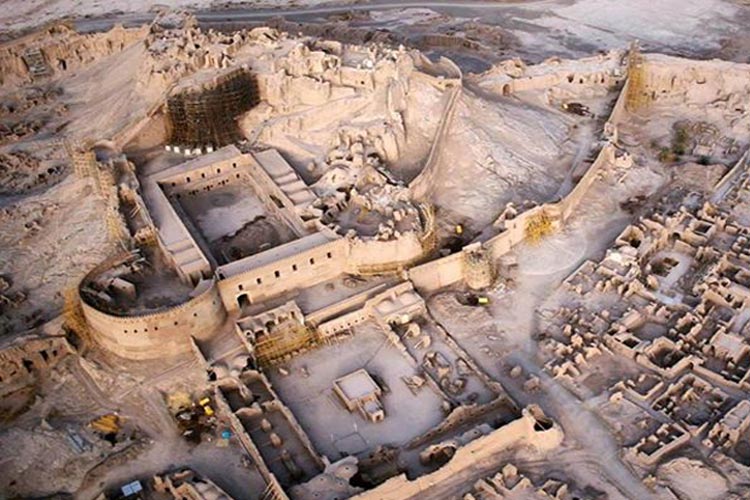
The City of Bam, Iran, experienced two separate disasters which destroyed its physical heritage and endangered its cultural identity. National and international organizations established reconstruction projects for the bam citadel as an immediate response to the situation. The Cultural Heritage Organization of Iran executed stabilization and reconstruction work through traditional adobe methods after teaming up with international specialists. UNESCO played a pivotal role, inscribing Castle Bam on the World Heritage List in Danger in 2004 and providing technical assistance, funding and oversight. The countries of Japan, Italy and France provided funding for archaeological studies and seismic protection measures and material assessment purposes.
The Bam Citadel today shows significant development throughout its entire area. Visitors can now explore restored areas which include the bazaar with its vaulted ceilings and the reconstructed alleys. The historical bathhouse remains in a state of destruction which demonstrates the impact of the disaster. The ongoing restoration work at the site will keep it preserved while UNESCO observes the progress that has been made. The citadel has opened its doors to visitors who now experience a space that represents optimism and strength as the site begins to recover.
read more: Famous castles in iran
Why is the Bam Citadel in Iran recognized as a UNESCO world heritage?
The Bam Citadel in Iran is recognized as a UNESCO World Heritage site for several reasons:
- Being an exceptional example of a fortified medieval city, with its massive walls and numerous towers providing an impressive example of ancient Persian architecture and design.
- Having been an important center of trade and commerce for centuries, and serving as a hub for the exchange of goods and ideas along the Silk Road.
- Unique building materials and construction techniques. The fortress is constructed almost entirely of mud bricks, a traditional building material that is both durable and sustainable, and the intricate design of the fortress reflects the artistry and ingenuity of the ancient Persians who built it.
Some Iran Tour Packages offer exclusive access to UNESCO World Heritage Sites and hidden local gems.
Practical Tips for Visitors
Are you planning a trip to Bam Citadel? The optimal visiting period extends from October to April because these months provide cooler temperatures that maintain 15 to 25-degree Celsius weather throughout the day while safeguarding visitors from the extreme heat that reaches above 40-degree Celsius during summer. The desert landscape receives its springtime beauty through the blooming date palms which start to flower between March and April.
The standard visiting hours extend from 8 AM to 6 PM but actual times change according to seasonal patterns so visitors must verify through local authorities or their tour operator after reaching their destination. The entrance fee for foreign visitors costs approximately 200,000 (check for update prices) Iranian Rials and they can buy tickets at the entrance gate of the Arge e Bam while guided tours provide additional fees that improve their experience.
Iranian customs require women to wear hijabs with loose clothing while men should select long pants as their attire. Visitors need to wear comfortable closed-toe shoes because they must walk through uneven ground and stairs and dusty tracks. The intense sun and heat conditions persist throughout the entire year so visitors should bring sunscreen and a hat and sunglasses and a sufficient supply of water. The best time to visit the Kerman Bam Citadel is during the early morning because you can avoid both the crowds and the hottest part of the day and you should hire a local guide to discover hidden attractions.
also read : explore The Karim Khan Citadel
Where is Bam Citadel located?
The Bam Citadel is located in the southeastern Iranian province of Kerman, near the city of Bam approximately 1,000 kilometers southeast of Tehran, the capital of Iran. The fortress is located on a hill overlooking the city and covers an area of approximately 180,000 square meters. The Bam Citadel is easily accessible by car or bus from the city of Bam.
Travel like a pro by reserving your Iran airport transfer ahead of time.
With Our Iran Budget Tours, you can explore ancient cities, vibrant markets, and stunning landscapes without overspending.
Let us know your experiences of visiting or your questions about the Bam Citadel in the comment box below, we will be happy to hear from you!