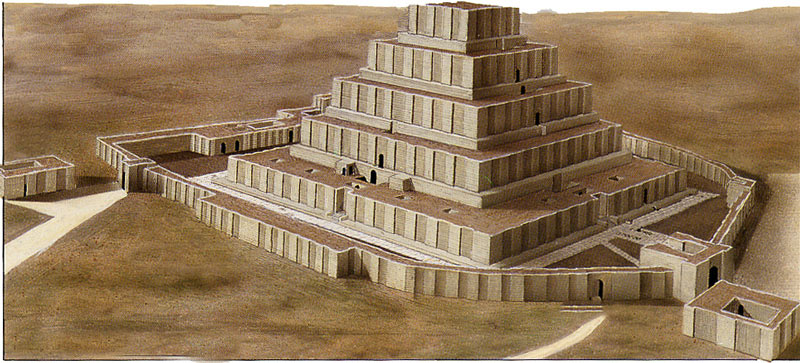
Chogha Zanbil is an awe-inspiring ancient temple complex located in the Khuzestan province of Iran between Shush and Shushtar. This UNESCO World Heritage site is one of the most important relics of the Elamite civilization and a must-see for anyone interested in ancient history and architecture.
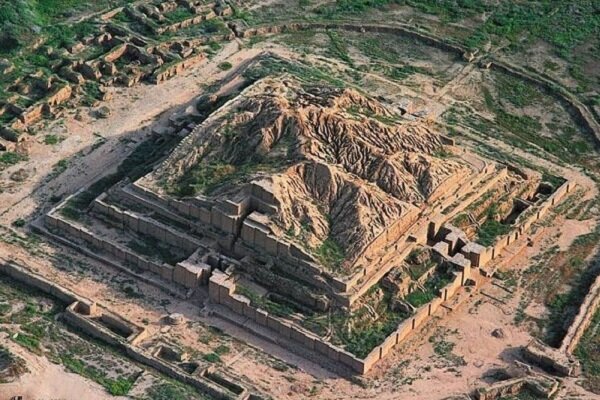
What was the Choqa Zanbil ziggurat built for?
The Chogha Zanbil ziggurat was built as part of a grand religious center dedicated to the Elamite gods, particularly Inshushinak, the god of Susa. The ziggurat was a towering stepped pyramid that served as the centerpiece of the complex and was designed to honor and glorify the Elamite gods. At the top of the ziggurat was a grand temple, where religious rituals and ceremonies were conducted to venerate the gods. The ziggurat and the complex as a whole were a testament to the religious and cultural significance of the Elamite civilization, and they remain a remarkable example of an ancient religious center.
History of the Chogha Zanbil Ziggurat
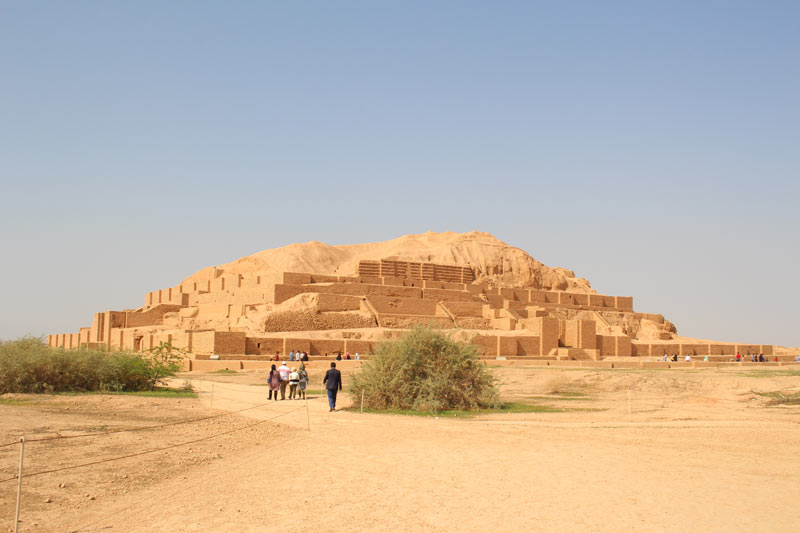
The Chogha Zanbil complex was built around 1250 BCE by King Untash-Napirisha, the ruler of the Elamite kingdom. The complex was dedicated to the Elamite gods, particularly Inshushinak, the god of Susa, and was designed to be a grand religious center.
The chogha zanbil history dates back a long time. The complex was abandoned after the collapse of the Elamite civilization around 640 BCE, and it was rediscovered by French archaeologist Roman Ghirshman in the 1930s. Since then, it has been excavated and restored, and it remains one of the most stunning examples of ancient architecture in the world.
Discover Iran’s history, culture, and breathtaking scenery at unbeatable prices with our Iran Budget Tours.
The Geologist Who Discovered Chogha Zanbil
In 1935, Chogha Zanbil was rediscovered during an aerial survey by geologists who were oil prospecting in the Khuzestan region of Iran. The mound resembling a basket was discovered by the British geologist Christian O’Brien, who was employed by the Anglo-Iranian Oil Company.
This prompted excavation by French archaeologist Roman Ghirshman in 1951-1962 that exposed the Ziggurat of Chogha Zanbil as a UNESCO World Heritage Site.
Architecture of Chogha Zanbil
The chogha zanbil architecture is comprised of several monumental structures, including a ziggurat (a stepped pyramid), a temple, and a series of concentric walls. The ziggurat is the centerpiece of the complex, standing 25 meters tall and featuring five levels. The temple is located at the top of the ziggurat and was used for religious rituals and ceremonies.
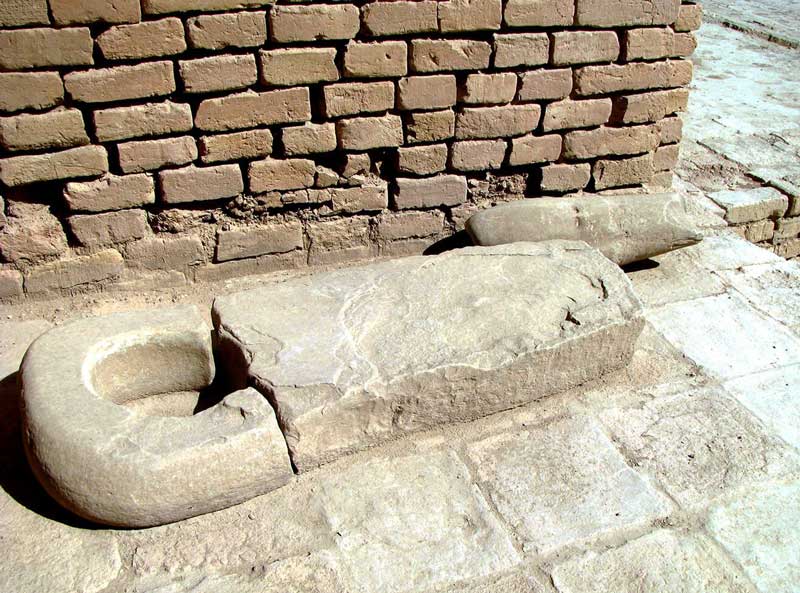
The outer walls of the complex are made of mud brick and feature decorative designs and engravings, including images of Elamite gods and animals. The inner walls are made of baked bricks and are designed to be earthquake-resistant.
It was constructed inward as opposed to other ziggurats, and its levels ascended to the ground with upper levels supported by lower levels using baked bricks and superior water systems. Chogha Zanbil ziggurat in Iran is one of the ancient wonders that have remained intact and displays glazed bricks and complex gates
Make these views a reality by completing your Iran visa application today.
Visiting the Choqa Zanbil Ziggurat
The complex is open to visitors from 9:00 AM to 5:00 PM every day, and admission fees apply. Visitors to Chogha Zanbil can explore the complex on foot, taking in the stunning architecture and learning about the history of the Elamite civilization. The site also features a small museum where visitors can see artifacts and exhibits related to the complex and the Elamite civilization.
also read : Explore the Bam Citadel
Chogha Zanbil Location
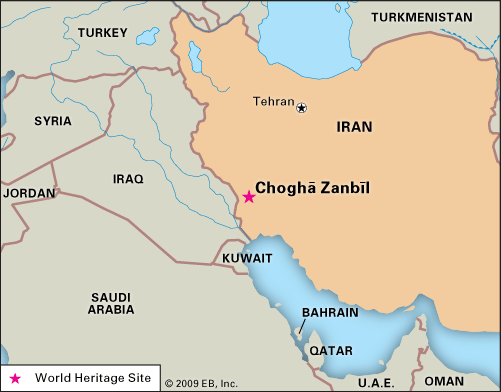
Chogha Zanbil is located in the Khuzestan province, southwest Iran, 30 km southeast of Susa and 80 km north of Ahvaz. The Chogha Zanbil in Iran is a car-reachable place in 1.5 hours or a 30-minute drive from Ahvaz airport or Susa. Tours are suggested due to the poor transport. Put on heavy shoes for the dusty road and get there early to escape the heat.
also read: iran desert tour
Last Word
Like Persepolis, Chogha Zanbil is a true wonder of the ancient world and a testament to the engineering and architectural achievements of the Elamite civilization. A visit to this stunning complex is a must for anyone interested in ancient history and architecture, and it is sure to leave a lasting impression on visitors from around the world.
Your trip to Iran begins smoothly with our Iran airport transfer services.
FAQ
1. How was Chogha Zanbil primarily constructed?
Baked bricks were used on the outside and mud bricks on the inside, arranged in a stepped fashion with lime mortar to hold them together and completed circa 1250 BC.
2. What does Chogha Zanbil mean?
The name Chogha Zanbil translates to the mound of baskets, as it appears on the hill-shaped landscape of Khuzestan, but was named so much later, when it was abandoned.
3. When was Chogha Zanbil built?
The Chogha Zanbil in Iran was constructed at 1250 BC by Untash-Napirisha, the king of Elam and the building was left behind after being invaded by the Assyrians in 640 BC.
4. Where is Chogha Zanbil in Iran?
Chogha Zanbil is located in Khuzestan, 30km southeast of Susa, 80km north of Ahvaz and can easily be accessed by road.
5. Chogha Zanbil is the site of which kingdom?
The sacred city of the Elamite Kingdom was called Chogha Zanbil and its gods were various.
What to visit in Iran after Chogha Zanbil?
We have included Chogha Zanbil in Iran World Heritage Tour. This package offers a unique opportunity to explore the rich cultural and historical heritage of the region, including the stunning World Heritage monuments. Our tour packages offer a comprehensive and immersive experience of Iran’s diverse culture, architecture and nature at reasonable rates.
If you’re interested in exploring more of Iran’s cultural and historical treasures, there are many other destinations worth visiting. Here are a few suggestions:
Shushtar Historical Hydraulic System: Shushtar Historical Hydraulic System is an exceptional engineering marvel, showcasing the ingenuity of ancient Persian engineers.
Susa: Susa is an ancient city located about 30 kilometers south of Chogha Zanbil. It was one of the most important cities of the Elamite civilization and is home to several historic sites, including the Apadana Palace, the Tomb of Daniel, and the ancient city walls.
Persepolis: Located in the southwestern province of Fars, Persepolis is an ancient city that was once the capital of the Achaemenid Empire. The city is home to stunning ruins, including the Gate of All Nations, the Apadana Palace, and the Hall of 100 Columns.
Isfahan: Known as the “half of the world,” Isfahan is a beautiful city with a rich history and stunning architecture. Highlights include the Naqsh-e Jahan Square, the Chehel Sotoun Palace, and the Shah Mosque.
Shiraz: Located in the southern province of Fars, Shiraz is known for its beautiful gardens, historic mosques, and vibrant bazaars. Highlights include the gardens of Eram and Narenjestan, the Vakil Mosque, and the Nasir al-Mulk Mosque.
Yazd: Known for its distinctive architecture and rich culture, Yazd is a desert city located in central Iran. Highlights include the Jameh Mosque, the Amir Chakhmaq Complex, and the Yazd Atash Behram fire temple.
Tehran: The capital city of Iran is a vibrant metropolis with many cultural and historical attractions, including the National Museum of Iran, and the Golestan Palace.
Let us know your experiences of visiting or your questions about Chogha Zanbil in the comment box below, we will be happy to hear from you!