Located in the glorious Zagros Mountain Range, Mount Dena is not only the highest but also one of the most magnificent peaks of Iran, drawing climbers from various corners of the globe. Also known as Dena Mountain, this landmark in southwestern Iran lures hikers and nature photographers with its stunning views and many paths.
Mount Dena, Iran, has a very tough altitude; that’s why it offers both exhilarating challenges and serene walks. Dena Mountain, Iran, combines natural beauty with cultural richness. So, turn the pages to find out about the trails, wildlife and some tips for your Dena Mountain hike.
Dena Mountain Overview
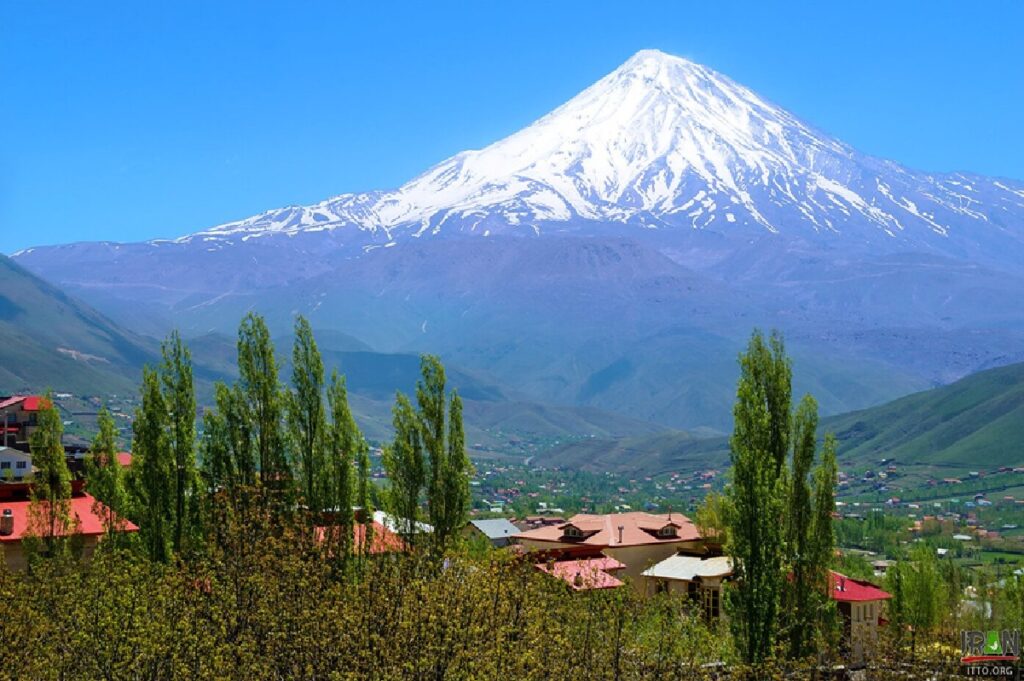
Dena Mountain is prominently located in the Zagros mountain range, covering the provinces of Kohgiluyeh and Boyer-Ahmad, Isfahan and Chaharmahal and Bakhtiari in southwestern Iran. It is also a major contributor to the Dena Protected Area, a UNESCO Biosphere Reserve, which extends over 80 kilometers. Qash Mastan, the highest summit of Dena Mountain, stands 4,409 meters (14,465 feet) high and is considered Iran’s tallest peak outside the Alborz Mountains.
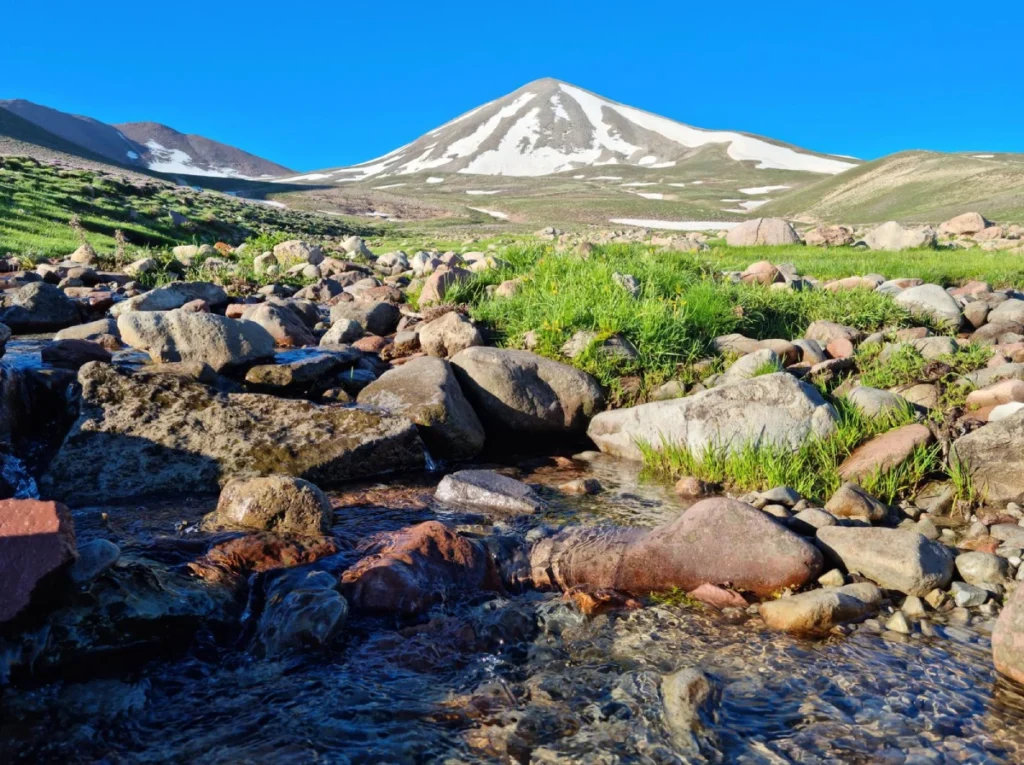
The mountain hiking field includes pointed ridges, hollow valleys, year-round snow areas, glaciers, and green hills at high altitudes. Lower elevation starts about 2,500 meters, featuring the Baharan glacier valley and the oak forest area. Mount Dena has an important role in supplying water tomajor rivers, such as the Karun and Bazoft rivers. In terms of geology, it is a natural barrier that blocks the humidity of the Persian Gulf, influencing local precipitation patterns.
The Mount Dena history and significance are deeply profound, with connections to ancient tribes and the endurance it has come to represent in Persian legends. It now ranks as a prime eco-tourism spot with active conservation measures in place.

Hiking and Climbing Dena Mountain
To go on a Dena Mountain hike, one has to be ready for an exciting experience that will match his/her skill level. One of the most famous routes is to climb Qash Mastan, which is a hard trek but gives the climbers an unforgettable view of snow-covered mountains and green valleys. The usual way of taking this trail starts from Sisakht, which consists of some technical parts requiring ice axes and crampons, mainly in winter.
A beginner can go along the Sisakht to Pataveh Route, which is easier—a three-day trek through thick forests and fields of wildflowers, with small height increases that are feasible for novice hikers. There are difficulty levels from easy day hikes in the lower valleys to expert-only summits. Professionals can take on advanced trails such as the Baharan Glacier Trail, which offers both stunning views and difficult ice climbs.
Safety is very important on Mount Dena; it is always necessary to check weather forecasts, as unexpected storms can happen. The basic gear includes wearing layering clothes to adapt to changes in temperature, strong boots, a GPS device and carrying emergency supplies such as first-aid kits and flashlights.
Drinking enough water at high altitudes is very important to avoid dehydration. Although hiring local guides will cost you some money, it provides safety, as the guides are not only good navigators but also share with you the locals’ secrets of the places to see. If you are a mountaineer, it would be best to start with acclimatization in nearby towns to avoid altitude sickness.
also read: damavand tour
Our Iran Budget Tours give you the perfect balance of affordability and authentic travel experiences across this fascinating country.

Flora and Fauna of Dena Mountain
Dena Mountain’s biodiversity is a nature lover’s dream. The low-lying areas are home to lush oak forests along with scattered pistachio and almond trees that form a green roof. If you keep climbing, the ground keeps rising until it takes you to alpine meadows that are full of rare plants and the likes of the endemic Dena tulip and different kinds of medicinal herbs that have been used in traditional Iranian treatments.
The coming of spring gives the slopes a floral paradise with tulips, poppies, and wildflowers partying around the landscape with their colorful hues. The fauna is also rich and enjoys the security of being in the biosphere reserve. Among endangered animals, the Persian leopard, the Iranian brown bear and the Bezoar ibex are the ones that take the most rugged cliffs and valleys for their habitat. Birdwatchers are lucky to see golden eagles and lammergeiers that are flying high in the sky above them.
The existence of such a rich ecosystem in Dena Mountain highlights the need for sustainable trekking. Walk only on marked paths so as not to cause any damage to the surrounding areas. The conservation programs are directed towards ensuring the survival of these animals despite threats like global warming, thus making Mount Dena a crucial haven for wildlife in Iran.
also read: Ski Swim Tour in Iran
Practical Tips for Travelers
Here are practical tips every traveler needs to know before visiting Dena, Iran:
- The route to Dena Mountain starts from Yasuj (50 km), with flights to Shiraz (4-5 hours’ drive) or Isfahan (6-7 hours)
- Buses, rental cars and 4×4 vehicles are available for off-road use.
- Sisakht is among the most popular starting points for hikes.
- Among the most important items to take with you are: water-resistant garments, walking sticks and quality sleeping bags for the night.
- Obtain permits and employ guides for your security and their knowledge.
- Group/private tours are available with full support, including meals and rentals.
- Optimal times are spring (April-May) for flowers, and autumn (September-November) for gentle weather.
- Don’t forget to prepare during the rainy seasons.
Best Time to Visit Mount Dena
Timing your visit to Dena Mountain depends on your adventure goals. Spring (April–May) transforms the slopes into a floral paradise, with tulips and poppies blanketing the valleys. This season is perfect for photography and moderate hikes.
Autumn (September–November) offers crisp air and golden landscapes, ideal for avoiding summer crowds. Summer is prime for high-altitude treks, though temperatures can drop sharply at night. Winter appeals only to expert climbers equipped for sub-zero conditions and icy trails.
Avoid monsoon-like rains in late autumn, which can trigger landslides. For a balanced experience, late spring and early autumn strike the perfect harmony between accessibility and natural beauty.
also read: Sabalan Tour
Before you pack your bags, take a moment to complete your Iran visa application.
FAQs About Trekking Dena Mountain
Is Dena Mountain suitable for beginner trekkers?
Yes! Trails like Pataveh Valley cater to novices, but hiring a guide is advised. Technical peaks require advanced skills.
Do I need permits to climb Dena?
Permits are mandatory for protected zones. Most trekking tours in Iran handle this paperwork.
Can I trek Dena solo?
While possible, solo trekking is risky due to unpredictable weather and rugged terrain. Always inform local authorities of your plans.