Architecture of Monar Jonban
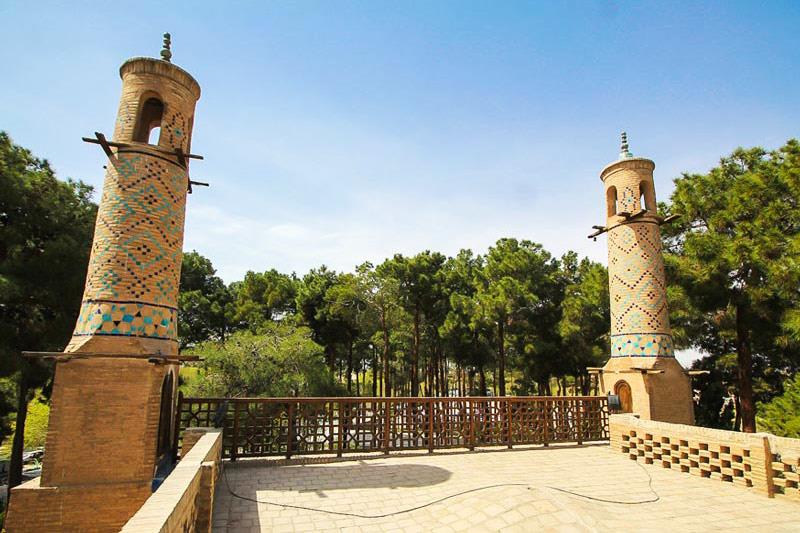
Monar Jonban demonstrates traditional Iranian architectural methods, which builders executed with exceptional accuracy. The main building measures roughly 13.6 m by 13 m, which contains a domed chamber that reaches a height of 10 m and displays detailed brickwork with tile decorations featuring turquoise and blue star patterns.
The two minarets also stand up out of the roof of the porch in a symmetrical manner with each minaret having a height of 17.5 meters. The building is made of bricks of high elasticity, special mortar and timber reinforcements, such as horizontal wooden belts.
This building has concealed joints, with a diameter of 5 centimeters everywhere the minarets merge at the roof. The elements of the design create a system that protects the building from cracking when it sways, which presents an ancient understanding of material properties and load distribution in a basic design that all visitors can understand.
For curious travelers and cultural explorers, Iran Tour Packages offer a unique opportunity to experience the country’s rich heritage and hidden gems.
Why Do the Minarets Shake?

The minarets of Monar Jonban shake because of structural symmetry, creating a resonant effect. The twin towers share identical measurements because they have equal height, weight, material composition and building location, connecting them through their shared foundation that runs beneath the iwan’s roof and walls.
The vibrations from the minaret top get transmitted through the flexible brick-and-timber structure, making the second minaret move in synchronization after waiting for a short period. The phenomenon exists because both structures maintain their natural frequency, allowing energy to transfer between them without reaching destructive levels. The elastic mortar with strategic joints enables movement absorption, protecting the structure after 700 years of existence.
The public activity has ceased because trained experts demonstrate the monument’s shaking through their on-site work as the only method to maintain its security. The controlled method demonstrates advanced engineering techniques that enable Menar Jonban to function as a living proof of Persian architectural excellence.
Visiting Monar Jonban
Visitors are accepted at Monar Jonban every day between around 9:00 AM and 6:00 PM (during season hours can stretch to 8:00 PM, see what is going on locally). Iranians pay approximately 200,000 Iranian Rials as a nominal entrance fee, with foreigners normally paying a higher rate (about 5-7 USD equivalent based on the exchange rate).
Morning or early evening is the best time to visit, when sunlight is optimal in terms of augmenting the textures of the bricks and a time when temperatures are cordial without the heat of the day and the weekend congestion.
Useful information on foreign tourists:
- You can also visit the local Atashgah Fire Temple to spend your whole historical morning.
- Get a local English-speaking guide who can put through the shaking demonstration and the history of Sufi in detail.
- Wear simple clothing and other comfortable shoes because the site still has its religious value as a mausoleum.
- Ride-hailing applications or taxis can be used in central Isfahan; public buses are cheap, but not that direct.
- Bring money (IRR) because it might not be possible to use cards.
- You must not break the rules of photography in the chamber, but must not venture to climb or shake the minarets yourself.
As one of the places to visit, Monar Jonban, Isfahan, not only provides the visual spectacle but also a deep experience of the Iranian architectural heritage, giving a memorable experience of unison movement and the ancient skills to the traveler.
Travel like a pro by reserving your Iran airport transfer ahead of time.
A unique and mysterious attraction in Isfahan
Finally, Monar Jonban is a remarkable and fascinating attraction that is sure to leave a lasting impression on anyone who visits. The mysterious shaking minarets and unique acoustics make it a must-see destination for tourists, and a testament to the ingenuity and skill of the architects and engineers who built it. So, if you’re planning a trip to Isfahan, be sure to add Monar Jonban to your itinerary and experience the wonder and mystery of this incredible monument. Take part in our guided tours to Monar Jonban, providing you a nice visit with a deeper understanding of the Shaking Minarets’ history and architecture.
Best visiting time
The best time to visit Monar Jonban in Isfahan is during the spring (March to May) or fall (September to November) when the weather is mild and pleasant. The summer months (June to August) can be very hot and dry, while the winter months (December to February) can be chilly and rainy. It’s also recommended to visit during weekdays, as weekends can be crowded with local tourists.
Make these views a reality by completing your Iran visa application today.
Let us know your ideas and comments about the Shaking Minarets in the comment box below, we will be happy to hear from you!